Roof Replacement in Colorado - Debunking 9 Common Misconceptions
Roof replacement is one of the most important investments a homeowner can make, yet it’s also one of the most misunderstood . Unfortunately, a number of persistent myths often lead homeowners to delay or mismanage necessary upgrades.
If you’re considering a roof replacement in Colorado, it’s worth separating fact from fiction before making decisions that affect your home’s safety, value, and long-term performance.
Misconception #1: My Roof Looks Fine, So It Doesn’t Need Replacement
One of the most common assumptions homeowners make is that a roof only needs attention when there are visible signs of damage - like missing shingles or active leaks. In reality, many roofing issues develop beneath the surface.
Colorado’s frequent hailstorms can cause subtle damage that isn’t immediately visible from the ground. Over time, this hidden damage can weaken your roof’s structural integrity and lead to leaks, mold, or insulation problems. Waiting until obvious symptoms appear often means the damage has already worsened and the cost of repairs or replacement has increased.
A professional inspection is the best way to determine whether you should replace your roof, even if everything looks intact.
Misconception #2: Roof Replacement Is Only Necessary After a Major Storm
While severe weather is a major factor in roof damage, it’s not the only reason roofs fail. Age, material wear, and long-term exposure to UV rays also play significant roles.
In Colorado, the sun’s intensity at higher altitudes can accelerate the breakdown of roofing materials. Asphalt shingles, for example, may become brittle and lose granules faster than they would in lower elevations or milder climates.
Even if your home hasn’t been hit by a major storm recently, your roof may still be nearing the end of its lifespan. Regular inspections help identify when a roof replacement in Colorado is necessary due to natural wear and tear.
Misconception #3: I Can Just Keep Repairing Instead of Replacing
Repairs are often a cost-effective short-term solution, but they’re not always the best long-term strategy. Many homeowners fall into the trap of repeatedly patching their roofs, thinking it saves money.
In reality, ongoing repairs can add up quickly - and they don’t address underlying issues. If your roof is nearing the end of its lifespan or has widespread damage, it’s often more economical to replace your roof entirely rather than continue investing in temporary fixes.
A new roof offers improved durability, energy efficiency, and peace of mind. It also eliminates the uncertainty of recurring problems that repairs can’t fully resolve.
Misconception #4: All Roofing Materials Perform the Same
Another widespread myth is that roofing materials are interchangeable. In Colorado, this couldn’t be further from the truth.
Different materials respond differently to hail, snow loads, and temperature fluctuations. For example:
Asphalt shingles are affordable but may be more susceptible to hail damage.
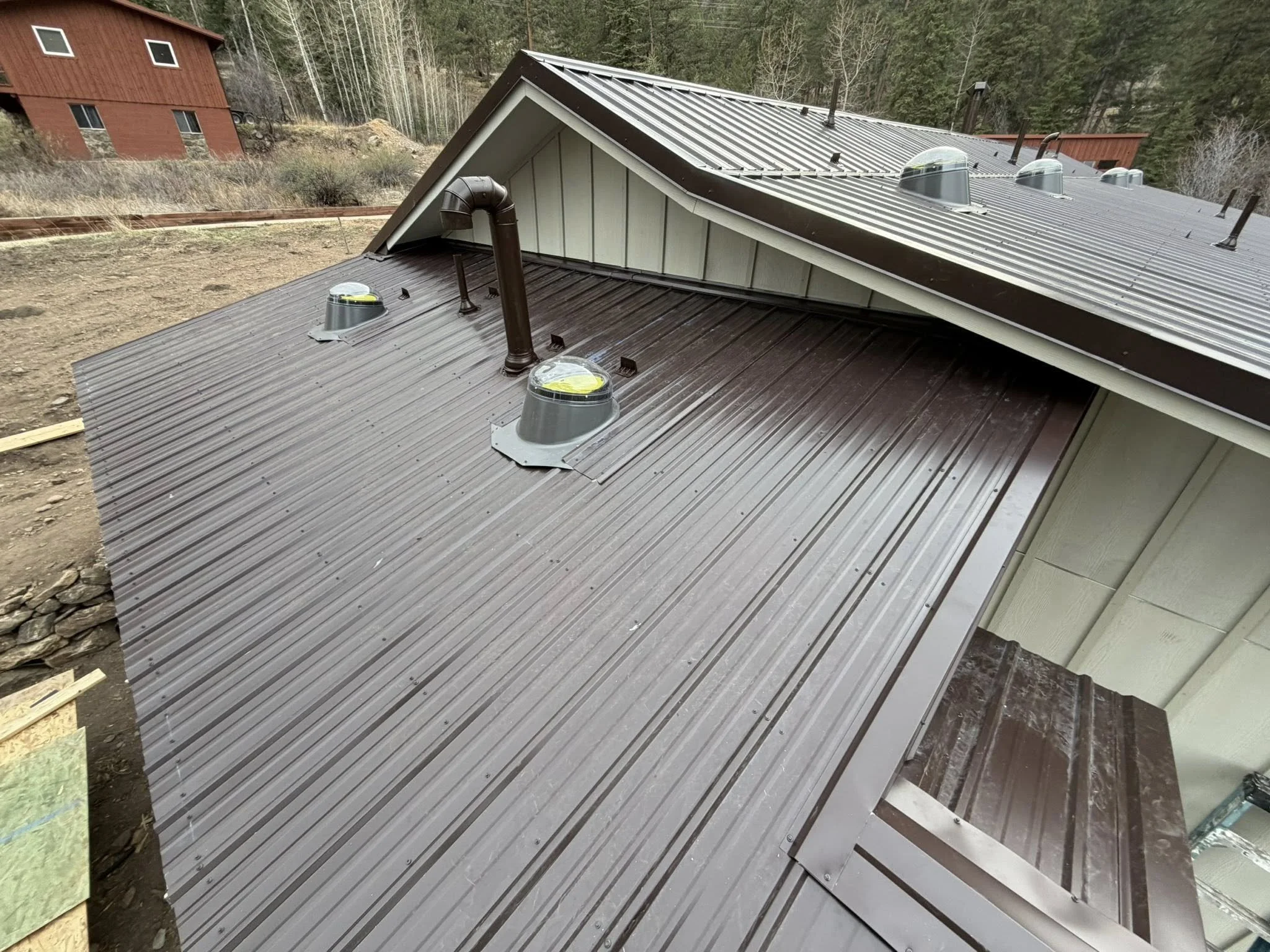
Metal roofing offers excellent durability and snow shedding capabilities.
Impact-resistant shingles are specifically designed to withstand hailstorms.
Choosing the right material is critical when planning a roof replacement in Colorado. A one-size-fits-all approach can lead to premature failure or unnecessary maintenance costs.
Misconception #5: Insurance Will Cover Every Roof Replacement
Many homeowners assume their insurance policy will fully cover the cost to replace your roof, especially after storm damage. While insurance can be a valuable resource, coverage isn’t guaranteed in every situation.
Insurance typically covers damage caused by sudden events, like hailstorms or high winds. It does not cover issues related to aging, poor maintenance, or gradual wear and tear.
Additionally, policies vary widely, and some may only cover the depreciated value of your roof rather than the full replacement cost. It’s important to review your policy carefully and work with a knowledgeable contractor who can help document damage and navigate the claims process.
Misconception #6: Roof Replacement Is Just About Shingles
A roof is much more than its outer layer. When you replace your roof, you’re addressing an entire system that includes underlayment, flashing, ventilation, and insulation.
Neglecting these components during a replacement can lead to problems down the line, even if the shingles themselves are brand new. Proper ventilation, for example, helps regulate temperature and moisture levels in your attic, preventing issues like ice dams and mold growth.
A comprehensive approach ensures that your new roof performs as intended and lasts as long as possible.
Misconception #7: It’s a Quick and Simple DIY Project
With the rise of DIY home improvement content online, some homeowners may be tempted to tackle roofing projects themselves. However, roof replacement is a complex and potentially dangerous job that requires specialized skills and equipment.
Working on a roof involves risks such as falls, improper installation, and voided warranties. In addition, local building codes and permitting requirements must be followed to ensure compliance.
Hiring a professional roofing contractor ensures that your roof replacement in Colorado is done safely, correctly, and up to code.
Misconception #8: A New Roof Doesn’t Add Much Value
Some homeowners hesitate to replace their roof because they don’t see it as a worthwhile investment. In reality, a new roof can significantly increase your home’s value and curb appeal.
For buyers, a recently replaced roof is a major selling point. It signals that the home has been well-maintained and reduces the likelihood of immediate repair costs after purchase.
Even if you’re not planning to sell right away, replacing your roof can enhance energy efficiency and protect your home from costly damage.
Misconception #9: All Roofing Contractors Are the Same
Not all contractors offer the same level of expertise, quality, or service. Choosing the wrong contractor can lead to poor workmanship, subpar materials, and unresolved issues.
When planning to replace your roof, it’s essential to work with a reputable company that understands Colorado’s unique climate challenges. Look for contractors with strong local experience, proper licensing, and positive customer reviews.
A reliable contractor will also provide clear estimates, explain your options, and stand behind their work with warranties.
Call Troost Roofing to Learn More About Roof Replacement in Colorado
Roof replacement is a significant decision, and misconceptions can make the process more confusing than it needs to be. In a state like Colorado, where environmental conditions place extra demands on roofing systems, having accurate information is crucial.
Understanding the realities behind these common myths empowers you to make informed choices about when and how to replace your roof. Whether you’re dealing with storm damage, aging materials, or simply planning ahead, taking a proactive approach ensures your home remains protected for years to come.
If you’re considering a roof replacement in Colorado, don’t let outdated assumptions guide your decisions. Instead, rely on professional insights and a clear understanding of your roof’s condition to determine the best path forward. If you have questions about the health of your roof, your options for replacing it, or cost estimates for the project, give Troost Roofing a call! Homeowners are eligible for free estimates!