Historic Building Renovation - Old House Roof Replacement
Historic homes and older buildings offer a level of craftsmanship, charm, and architectural character that is difficult to find in modern construction. From Victorian-era residences to century-old commercial properties, these structures tell a story and contribute to the unique identity of a community. However, maintaining these buildings comes with specialized challenges, particularly when it comes to roofing.
Whether you are planning a complete historic building renovation or addressing long-overdue maintenance issues, investing in a quality roof should be a top priority. An aging roof can threaten the structural integrity, energy efficiency, and historical value of a property. Understanding the unique requirements of an old house roof replacement or old building roof repair project can help property owners make informed decisions and preserve their investments for decades to come.
Why Older Buildings Require Specialized Roofing Solutions
Unlike modern homes, older structures were built using materials, construction methods, and design principles that are often no longer common today. Many historic homes feature steep roof pitches, ornate dormers, chimneys, decorative trim, and unique architectural details that require specialized expertise during roof repairs or replacement.
Additionally, roofing systems on older buildings may have multiple layers of materials installed over several decades. Contractors frequently uncover hidden issues such as:
Rotting roof decking
Water damage
Structural sagging
Deteriorated flashing
Inadequate ventilation
Outdated roofing materials
These challenges make an old house roof replacement significantly different from replacing the roof on a newer home. A roofing contractor experienced with historic properties can identify underlying issues while preserving the building's original character.
The Risks of Delaying Roof Repairs on Historic Structures
Many property owners postpone roofing projects due to concerns about cost or preserving original materials. However, delaying necessary old building roof repair work often leads to more extensive and expensive damage.
Even a small roof leak can cause serious problems in an older structure. Water intrusion can damage original woodwork, plaster walls, insulation, and structural framing. Historic homes are especially vulnerable because many were built before modern moisture barriers and ventilation systems became standard.
Over time, roof leaks may contribute to:
Mold and mildew growth
Wood rot
Ceiling damage
Foundation issues
Reduced energy efficiency
Interior restoration costs
Addressing roofing concerns early helps protect both the building and the significant investment often associated with historic property ownership.
Why Roof Replacement Should Be Part of Any Historic Building Renovation
A successful historic building renovation involves more than updating interiors or restoring architectural details. The roof serves as the first line of defense against weather, making it one of the most important components of the entire structure.
Many property owners focus on cosmetic improvements while overlooking an aging roof. Unfortunately, even the most beautiful renovation can be compromised if water infiltration damages newly restored spaces.
Including an old house roof replacement in a comprehensive renovation plan offers several benefits:
Long-Term Protection
A new roofing system protects the building from moisture, wind, hail, and snow while reducing the risk of future repairs.
Improved Energy Efficiency
Modern roofing materials and ventilation systems can significantly improve energy performance while maintaining the property's historic appearance.
Increased Property Value
If you are selling your home, buyers are often hesitant to purchase older homes that need major roofing work. A new roof can increase marketability and provide confidence to potential buyers.
Preservation of Historic Features
Protecting original woodwork, masonry, and decorative architectural elements begins with keeping water out of the structure.
When planning a historic building renovation, roofing should be considered one of the first investments rather than one of the last.
Unique Challenges of Old House Roof Replacement
Every historic property presents its own set of challenges. Roofing contractors must balance modern performance standards with preservation goals. Some common obstacles include:
Matching Historic Appearance
Many historic districts and preservation organizations require roofing materials that closely resemble the original roof. Property owners may need to select specialty products that maintain architectural authenticity.
Structural Limitations
Older roof framing systems were designed for specific material weights. Before installing a new roof, contractors must verify that the structure can support the chosen roofing system.
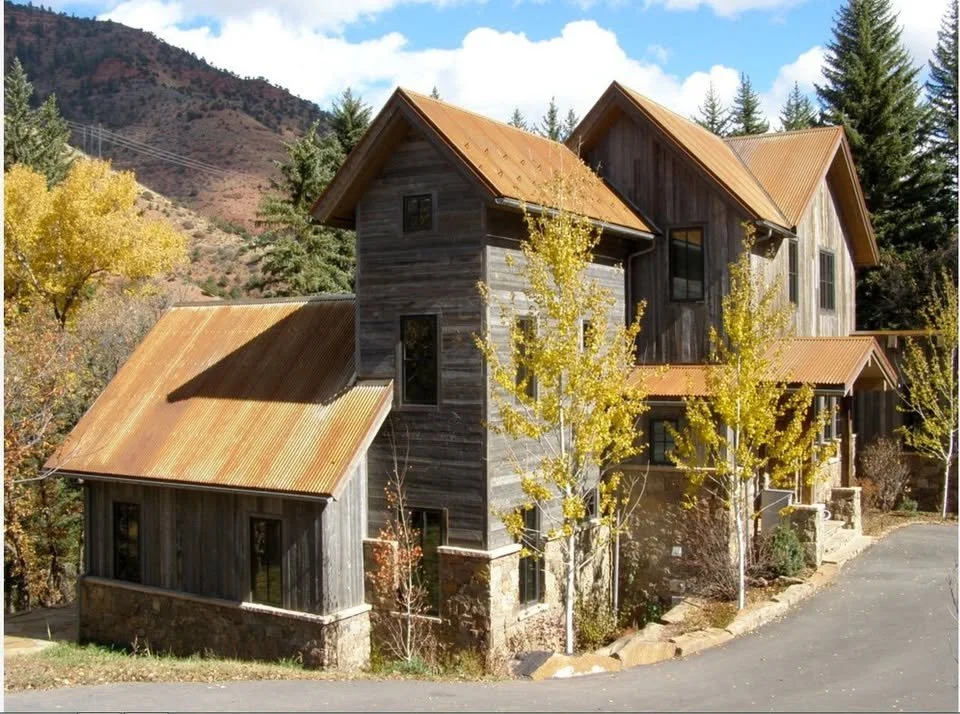
Complex Roof Designs
Historic homes often feature multiple roof sections, valleys, dormers, turrets, and decorative elements that require detailed craftsmanship.
Building Code Updates
During an old house roof replacement, local building codes may require upgrades to ventilation, flashing, or underlayment systems while preserving the building's historic character.
Because of these factors, working with an experienced roofing contractor is essential when renovating older properties.
Best Roofing Materials for Historic Homes and Older Buildings
Choosing the right roofing material is one of the most important decisions in a historic building renovation project. The ideal roof should preserve the building's appearance while providing modern durability and weather protection.
Architectural Asphalt Shingles
Architectural asphalt shingles are among the most popular options for historic homes because they offer an attractive appearance at a reasonable cost.
Modern premium shingles can replicate the look of traditional wood shakes or slate while providing:
Excellent durability
Improved weather resistance
Lower maintenance requirements
Enhanced curb appeal
For many homeowners, architectural shingles provide an ideal balance between authenticity and affordability.
Synthetic Slate Roofing
Natural slate has long been associated with historic buildings, but it is expensive and extremely heavy. Synthetic slate products offer a similar appearance with reduced weight and installation costs.
Benefits include:
Authentic historic appearance
Long lifespan
Lower structural demands
Impact resistance
Synthetic slate is an excellent choice for an old house roof replacement when preserving architectural character is a priority.
Metal Roofing
Standing seam and specialty metal roofing systems have been used on historic buildings for generations. Modern metal roofs offer outstanding durability and can last 40 years or more.
Advantages include:
Longevity
Fire resistance
Energy efficiency
Metal roofing is particularly popular for historic farmhouses, churches, and commercial buildings.
Cedar Shake Alternatives
Traditional cedar shake roofs were common on many older homes. While natural wood remains an option, synthetic shake products provide a similar appearance with improved durability and reduced maintenance.
These materials can complement a historic building renovation while offering modern performance benefits.
Finding the Right Roofing Contractor
Not every roofing company has experience with historic structures. Property owners should seek contractors who understand the complexities of old building roof repair and preservation-focused roof replacement.
Look for a roofing contractor who:
Has experience with historic homes
Understands local preservation requirements
Offers premium roofing material options
Provides detailed inspections
Communicates clearly throughout the project
An experienced contractor can help homeowners preserve architectural integrity while improving protection and performance.
Protect Your Historic Investment
Historic homes and older buildings deserve specialized care. Whether you're addressing leaks through old building roof repair or planning a complete old house roof replacement, investing in the roof is one of the most effective ways to preserve your property's value and character.
If you're undertaking a historic building renovation, don't overlook the importance of a high-quality roofing system. A properly designed and installed roof protects the structure, enhances curb appeal, improves energy efficiency, and helps ensure that your historic property remains beautiful and functional for future generations.
At Troost Roofing, we understand the unique challenges associated with older homes and historic buildings. Our experienced team can help you select the right roofing solution while preserving the architectural character that makes your property truly special. Give Troost Roofing a call today to schedule an inspection or get an estimate.