Commercial Roofing Repair - A Guide for Business Owners
Your commercial roof is one of the most important assets protecting your investment. Whether you own the building where your business operates or manage commercial rental properties, staying on top of commercial roofing repair can help you avoid expensive disruptions, extend the life of your roof, and protect your property value.
Unfortunately, many business owners don't think about their roof until a leak appears inside the building. By that point, water damage, mold growth, damaged insulation, and structural issues may have already begun. Understanding when to schedule business roof repair, when repairs are enough, and when replacement makes more financial sense can help you make informed decisions that save money over the long term.
Why Commercial Roof Maintenance Matters
Unlike residential roofs, commercial roofing systems often cover thousands - or even tens of thousands - of square feet. They protect valuable inventory, equipment, offices, tenants, and employees from the elements every day.
Even minor damage can lead to:
Interior water damage
Business interruptions
Higher energy bills
Mold and mildew growth
Premature roof failure
Costly emergency repairs
Routine inspections and timely commercial roofing repair help catch small problems before they become major expenses.
Signs Your Commercial Roof Needs Repair
Many roofing problems develop gradually. Scheduling repairs early often prevents the need for more extensive work later.
Watch for these warning signs:
Water stains on ceilings or walls
Active roof leaks
Ponding water after rain
Cracked or deteriorating roofing materials
Loose flashing around rooftop equipment
Membrane punctures or tears
Rising heating and cooling costs
Sagging roof sections
Visible storm damage from hail or wind
If you notice any of these issues, it's best to have your roof professionally inspected as soon as possible.
Common Causes of Commercial Roof Damage
Commercial roofs face constant exposure to weather and environmental stress. Some of the most common reasons businesses need roof repairs include:
Severe Weather
Colorado's weather can be especially hard on commercial roofing systems. Hail, heavy snow, strong winds, and rapid temperature swings can damage roofing materials and flashing.
Aging Roofing Materials
Every roofing system has an expected lifespan. As roofs age, seams loosen, membranes shrink, and protective coatings wear away.
Poor Drainage
Flat and low-slope roofs rely on properly functioning drains and gutters. Standing water accelerates deterioration and increases the risk of leaks.
Foot Traffic
HVAC technicians, maintenance crews, and contractors frequently access commercial rooftops. Repeated foot traffic can puncture roofing membranes or damage protective surfaces.
Improper Installation
Even high-quality roofing materials can fail prematurely if they weren't installed correctly. Professional installation and quality repairs help maximize the lifespan of your roofing system.
Roof Repair vs. Roof Replacement
One of the biggest questions property owners face is whether repairs are enough or if it's time to replace the roof altogether.
When Commercial Roofing Repair Makes Sense
Repairs are often the best solution when:
Damage is limited to a small area.
The roof is relatively new.
Leaks are isolated.
Storm damage is minor.
The overall roofing system remains structurally sound.
Targeted repairs can restore waterproofing while extending the roof's service life for many years.
When Roof Replacement Is the Better Investment
Sometimes ongoing repairs become more expensive than replacing the roof.
Replacement may be recommended if:
The roof has reached the end of its expected lifespan.
Multiple leaks occur throughout the building.
Water has saturated insulation.
Structural damage is present.
Repair costs continue to increase year after year.
A professional roofing inspection helps determine which option provides the greatest long-term value.
Common Types of Commercial Roofing Systems
Commercial buildings use several different roofing materials depending on the building's design, budget, and performance needs.
TPO Roofing
Thermoplastic Polyolefin (TPO) has become one of the most popular commercial roofing systems. It offers excellent energy efficiency, UV resistance, and durability while requiring relatively low maintenance.
EPDM Roofing
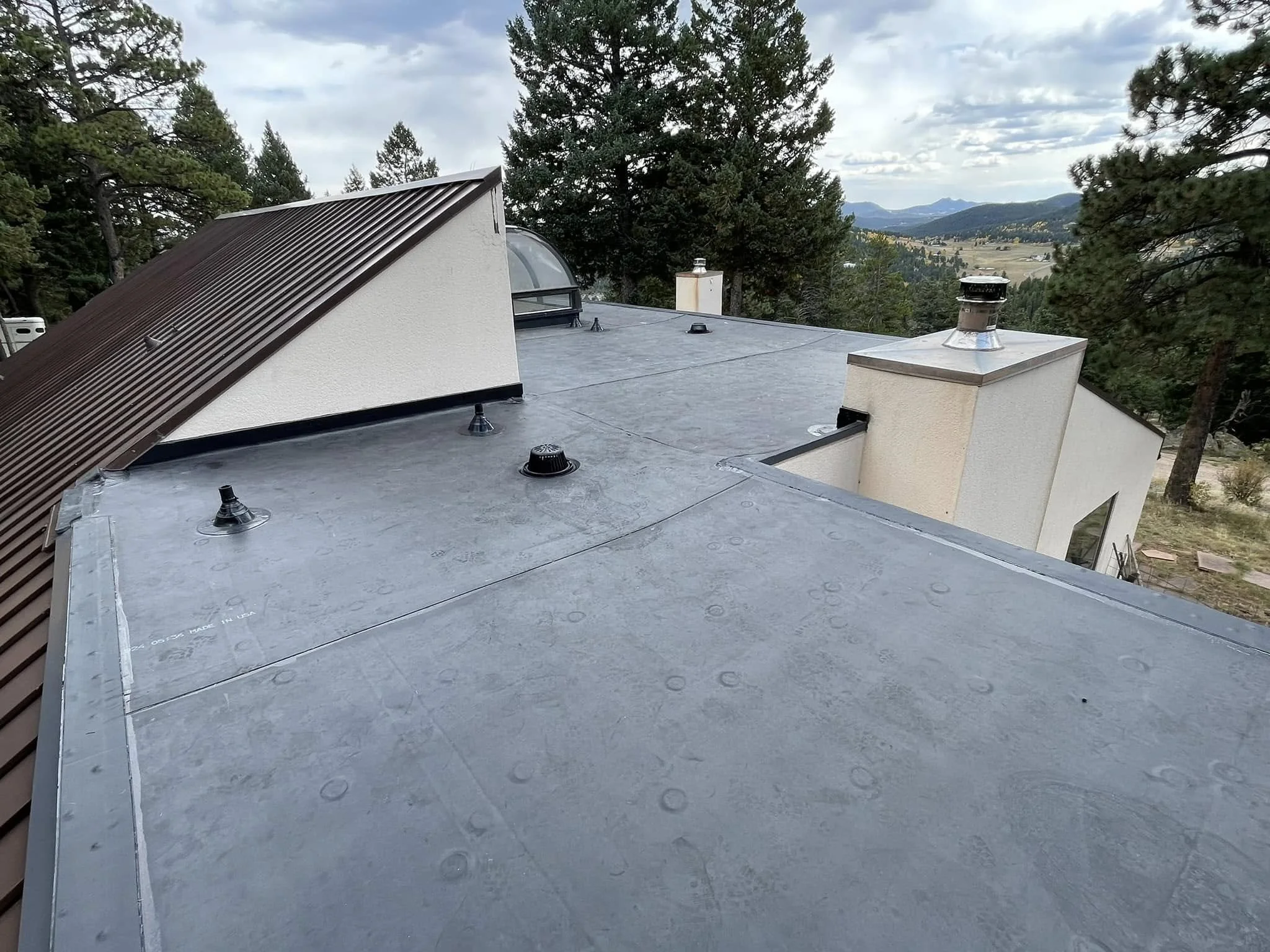
EPDM is a durable synthetic rubber membrane commonly installed on flat roofs. It performs well in varying temperatures and is known for its long service life.
PVC Roofing
PVC roofing provides exceptional resistance to chemicals, grease, and standing water, making it an excellent choice for restaurants, manufacturing facilities, and industrial buildings.
Modified Bitumen Roofing
Modified bitumen combines asphalt with reinforcing materials to create a durable roofing system that performs well on low-slope commercial buildings.
Metal Roofing
Metal roofs are increasingly popular for commercial properties because of their longevity, durability, and energy efficiency. Fasteners, seams, and flashing should still be inspected regularly.
Why Regular Roof Inspections Are Worth It
Many commercial roofing problems aren't visible from the ground. Professional inspections identify small issues before they become major repairs.
Most roofing professionals recommend inspections:
Twice per year
After major hail or windstorms
Before buying or selling commercial property
Before renewing certain insurance policies
Routine inspections often extend the life of a commercial roof by several years.
What Business Owners Can Expect During Roof Repairs
Every roofing project is different, but most commercial roofing repair projects follow a similar process.
First, a roofing contractor performs a detailed inspection to identify the source of the damage. Because water can travel beneath roofing materials, the visible leak isn't always where the problem began.
Next, damaged materials are removed and repaired or replaced. Flashing, seams, drains, and rooftop penetrations are carefully sealed before the repair area is tested to ensure it's watertight.
Many repairs can be completed while businesses remain open, minimizing disruption to employees, customers, or tenants.
Choosing the Right Commercial Roofing Contractor
Not all roofing companies specialize in commercial systems. Commercial roofs require different materials, installation techniques, and safety procedures than residential roofs.
When selecting a contractor, look for:
Experience with commercial roofing systems
Proper licensing and insurance
Positive customer reviews
Detailed written estimates
Manufacturer certifications when applicable
Clear communication throughout the project
An experienced contractor can recommend cost-effective solutions while helping you maximize the life of your existing roof.
Protect Your Investment with Professional Business Roof Repair
Whether you're an entrepreneur who owns your company's building or a landlord responsible for multiple commercial properties, your roof plays a critical role in protecting your investment. Addressing small issues early through professional commercial roofing repair can prevent costly structural damage, reduce business interruptions, and extend the life of your roofing system.
If your building has experienced storm damage, developed a leak, or simply hasn't been inspected in several years, scheduling a professional evaluation is a smart next step. Timely business roof repair not only protects your property but also provides peace of mind that your building is ready to withstand the seasons ahead.
At Troost Roofing, our experienced team helps business owners and property managers identify roofing problems early and recommend practical, cost-effective solutions. Whether your roof needs a targeted repair or it's time to discuss replacement options, we're committed to helping you protect your commercial investment for years to come. Get in touch with Troost today for all your business’s roofing needs!