Roofing in Idledale, CO
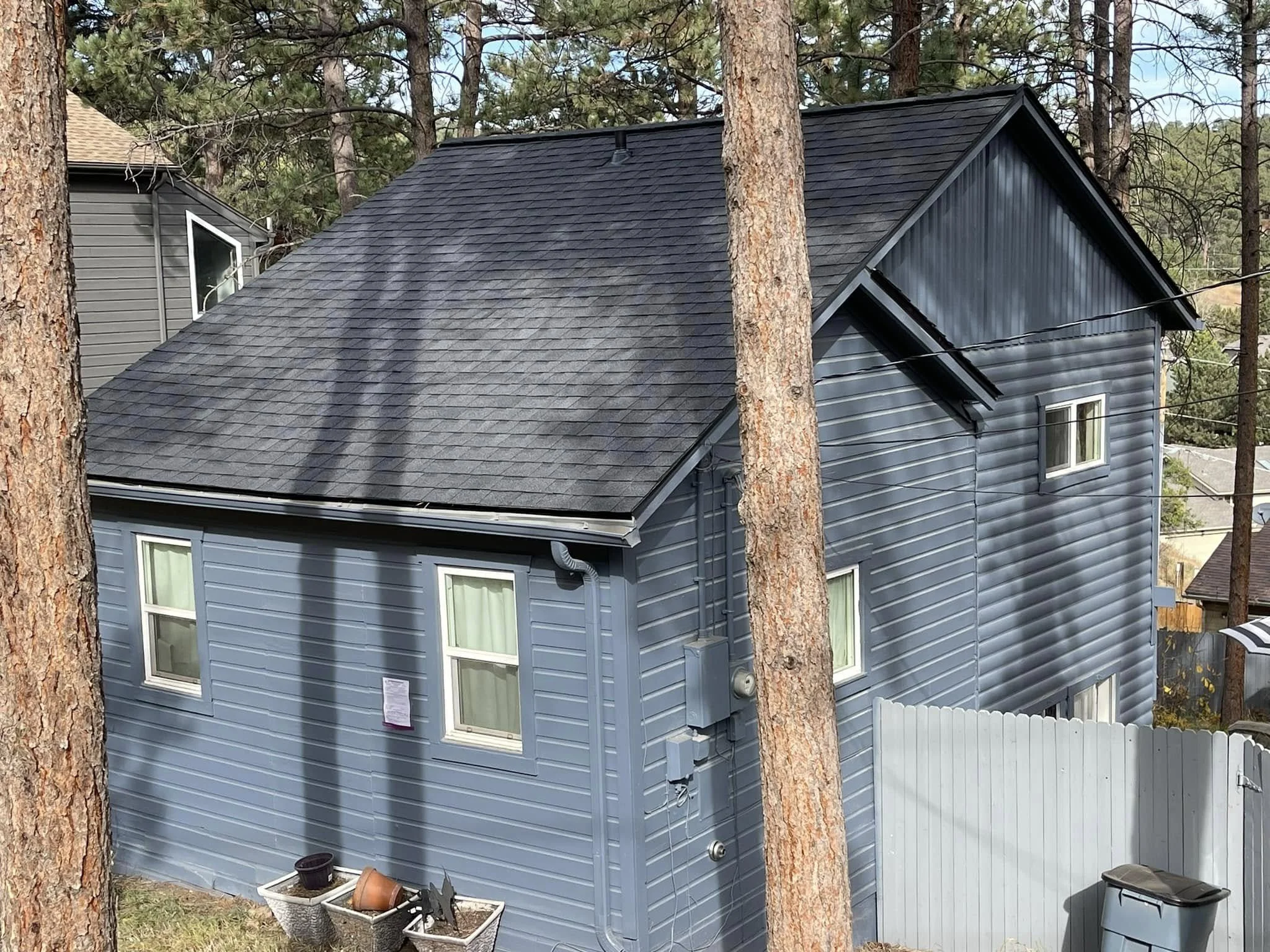
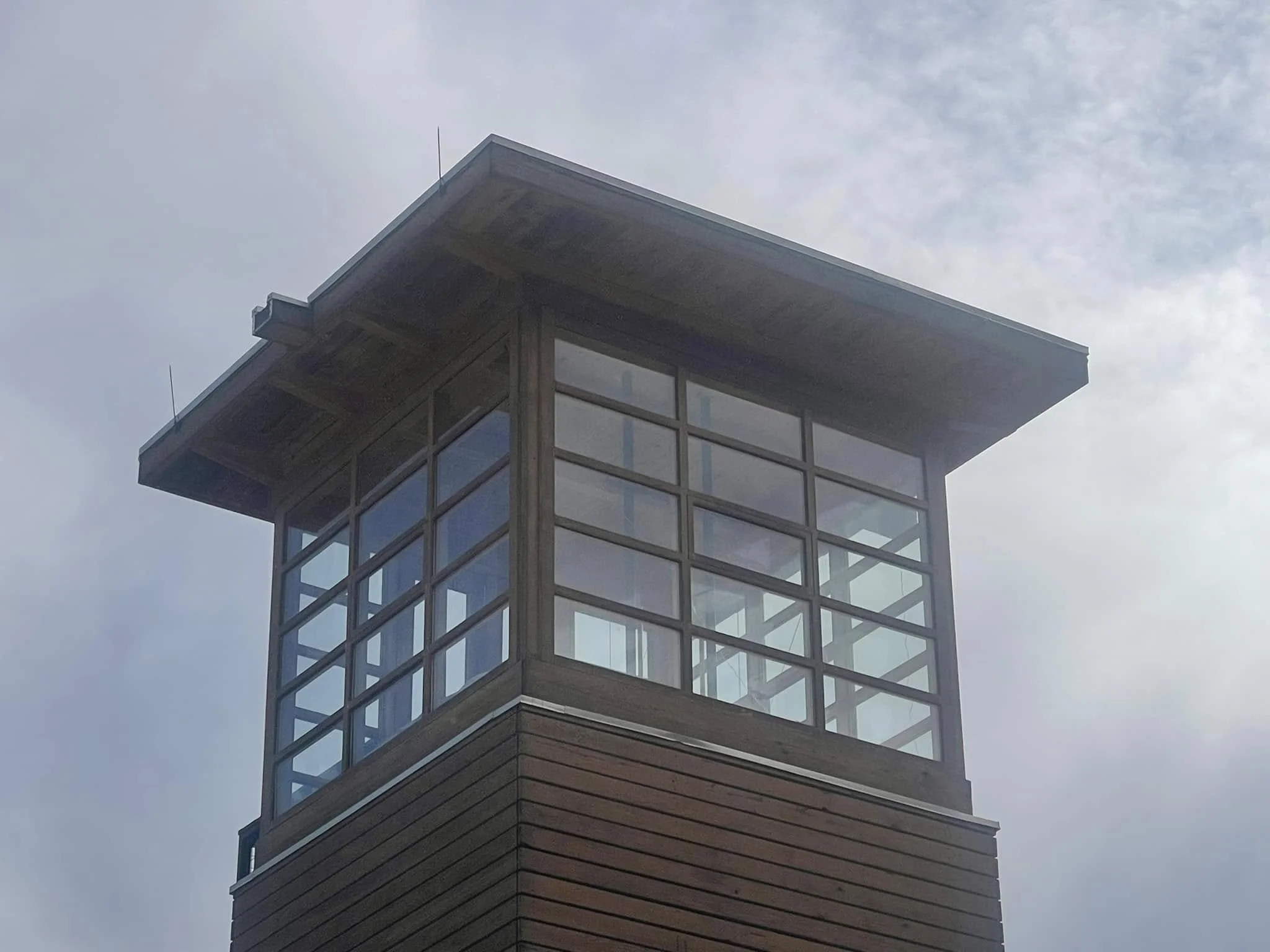
Idledale, Colorado, is a small mountain community in Bear Creek Canyon, where elevation and surrounding terrain strongly influence local weather. The area experiences cold winters, relatively mild summers, and substantial temperature changes between day and night. Climate data indicate average annual precipitation of approximately 21 inches, with precipitation generally highest during spring and summer. Snowfall is an important part of the local climate, with some climate datasets estimating roughly 105 inches of snow annually and measurable snowfall possible from October through May.
Climate & Architecture in Idledale
These conditions have influenced Idledale's residential architecture. Historically, the community developed as a mountain settlement and summer colony, and many early houses were designed in Rustic styles using wood and other materials that complemented the surrounding landscape. Some summer homes were converted to year-round residences during the 1940s. Later construction introduced mid-century houses and, eventually, newer residences on the canyon slopes.
The local climate favors architectural designs that can accommodate snow, wind, moisture, and temperature fluctuations. Many mountain homes use steeply pitched roofs, which can help shed snow and facilitate drainage. Roof overhangs, properly designed flashing, ventilation, and durable underlayment are also important for managing moisture and freeze-thaw conditions.
Idledale Roofing Materials
For roofing materials, architectural asphalt shingles and metal roofing are practical choices for many Idledale residences. Architectural shingles can complement rustic cabins, ranch-style houses, and contemporary mountain homes, while impact-resistant shingles offer an additional consideration in an area exposed to Colorado's hail-producing thunderstorms. Metal roofing can suit both traditional cabins and modern mountain architecture and provides a durable surface for snow-prone conditions.
Wildfire exposure is another consideration for homes in the foothills. Roofing materials with a high fire-resistance classification can reduce vulnerability when used as part of an appropriately designed roof assembly. Local requirements should be verified before replacement or new construction.