Denver Roofing
Denver, Colorado, has a semi-arid climate characterized by four distinct seasons, relatively low humidity, abundant sunshine, and substantial swings in temperature. Winters are generally cold, while summers are warm to hot, with thunderstorms occurring most frequently from late spring through summer.
Denver Weather & Annual Snowfall
Denver’s elevation and location along the eastern side of the Rocky Mountains also contribute to rapid changes in weather. For roofing, these conditions create several important considerations, including snow, hail, ultraviolet exposure, wind, and repeated freeze-thaw cycles.
Snowfall is a significant factor in Denver roof design. The National Weather Service reports a 1991–2020 seasonal snowfall normal of approximately 47 inches at Denver International Airport. Snowfall varies substantially across the metropolitan area, however, with western and southwestern suburbs averaging roughly 65–70 inches per season.
Historically, Denver's long-term average seasonal snowfall is about 56.6 inches, although individual winters can be considerably higher or lower. Roof structures therefore need to be designed for applicable snow loads rather than relying solely on average annual snowfall.
Roofing in Denver
Flat roofs are particularly common for commercial and industrial buildings in Denver. Their relatively simple geometry can efficiently accommodate large commercial floor plans, rooftop equipment, and drainage systems. Modern flat and low-slope commercial roofs commonly use built-up roofing, modified bitumen, or single-ply membrane systems such as TPO and EPDM. Flat roofs must be carefully designed for drainage because accumulated snow, rainwater, and ice can add significant loads.
Denver's building requirements specifically address commercial built-up and single-ply roofing systems and require inspection of roof decks, drainage, fastening, insulation, and fire classification during applicable reroofing projects.
For residential properties, impact-resistant asphalt shingles are a practical and popular choice, particularly because Denver experiences hail-producing thunderstorms. Hail can damage conventional asphalt shingles, and the Denver metropolitan area has experienced significant hail events; for example, a May 2024 storm produced hail as large as baseballs in portions of the region. Impact-resistant shingles are manufactured to better withstand impacts than standard shingles and can be a useful option for homeowners seeking greater durability.
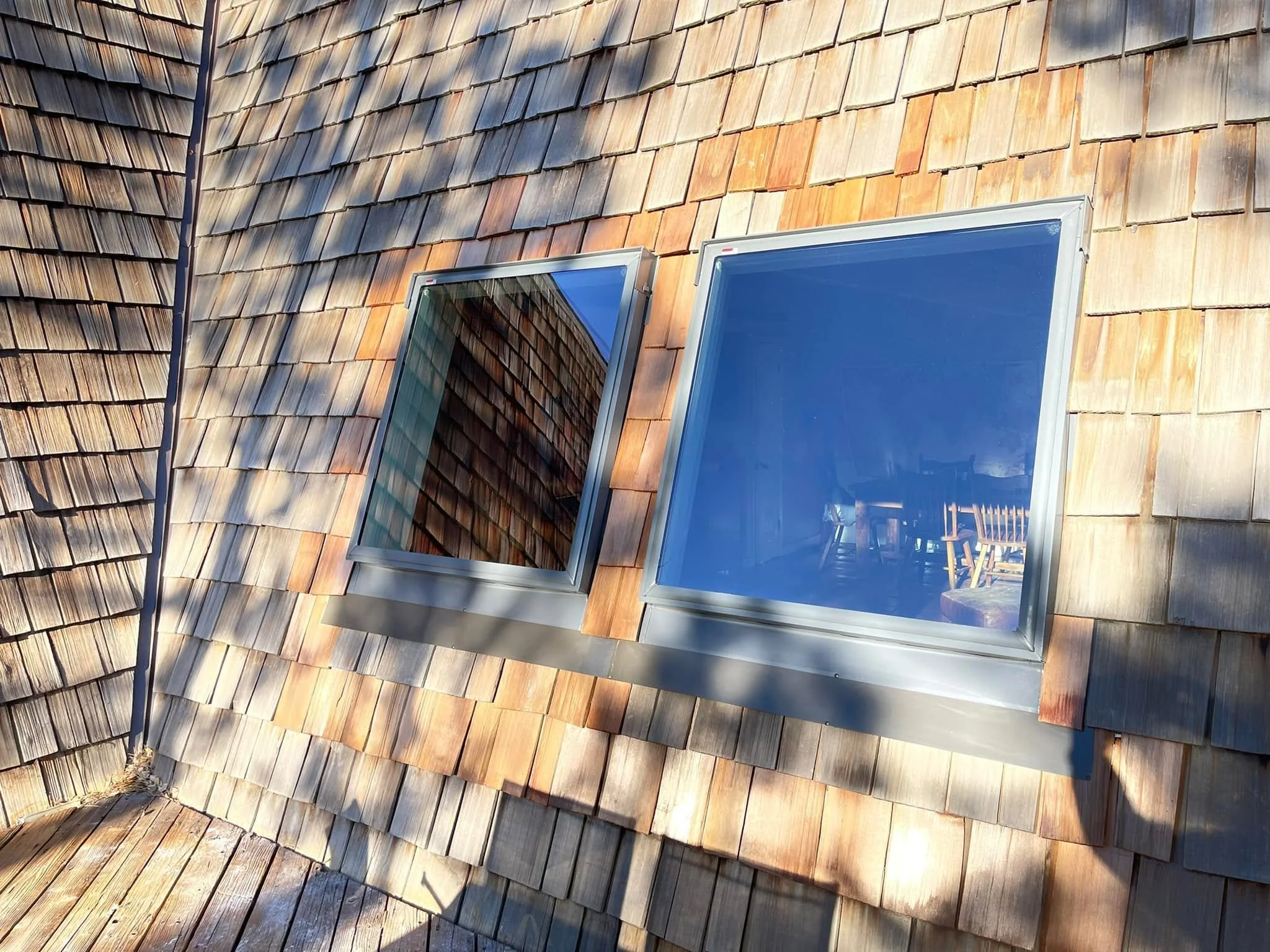
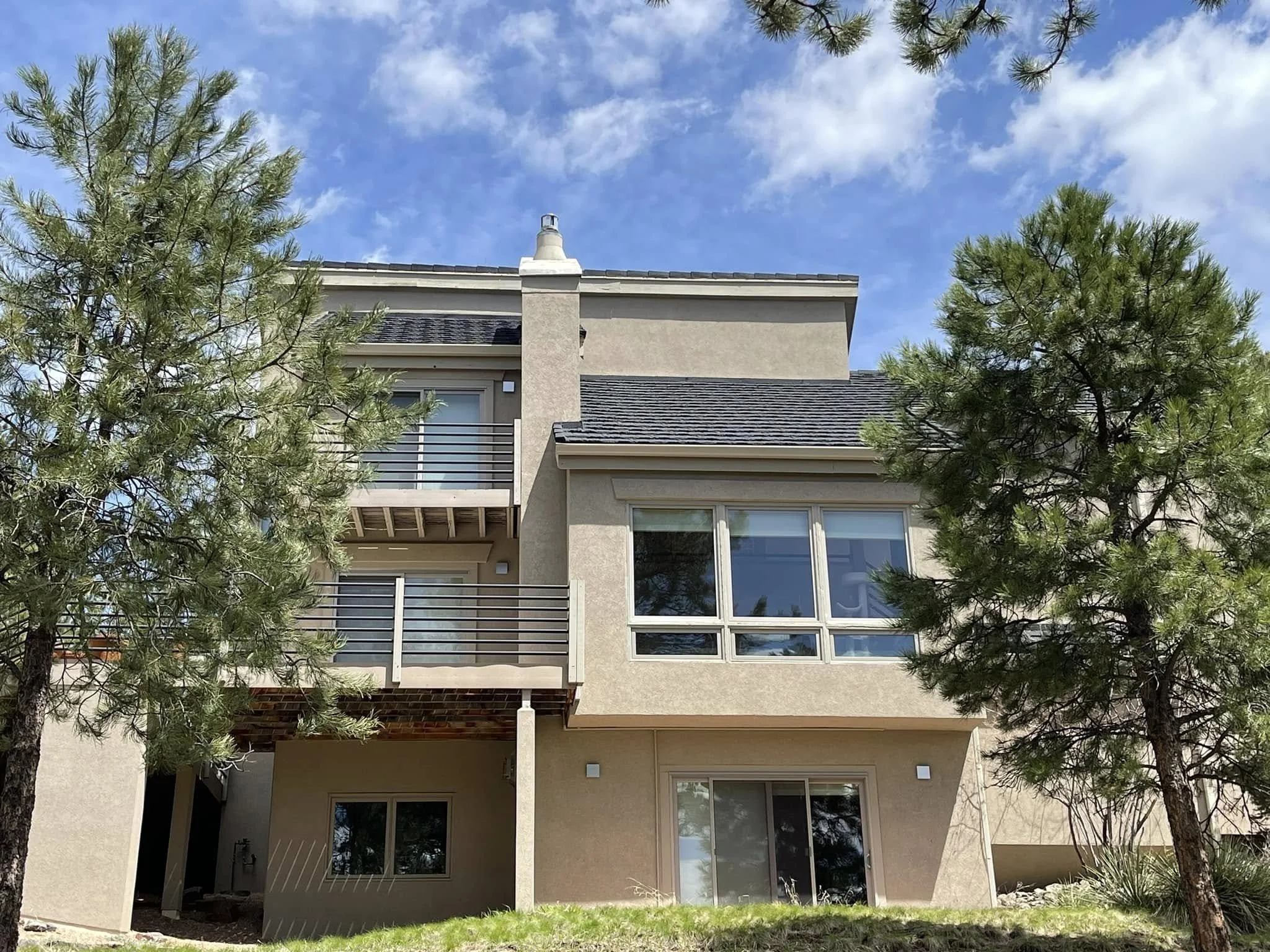
Other residential roofing materials—including metal, tile, and architectural asphalt shingles—are also used in Denver. Pitched roofs are generally well suited to homes because their slopes facilitate drainage and can help shed snow. Regardless of material, proper flashing, underlayment, ventilation, fastening, and structural design are important because Denver roofs must withstand a combination of snow, hail, wind, intense sunlight, and substantial temperature variation.