Idledale Roofing: Rigid Insulation
Rigid insulation is a type of building insulation manufactured in solid panels or boards. Unlike loose-fill insulation or flexible fiberglass batts, rigid insulation maintains a defined shape and can be installed across walls, roofs, foundations, floors, and other areas of a building envelope. Its combination of thermal resistance, moisture resistance, and structural stability makes it useful in both new construction and remodeling projects.
Several types of rigid insulation are commonly used. Expanded polystyrene (EPS) and extruded polystyrene (XPS) are foam plastic insulation products with different densities and performance characteristics. Polyisocyanurate, often called polyiso, provides a high level of thermal resistance relative to its thickness and is frequently used in roofing and wall assemblies. Some rigid insulation products are also manufactured with specialized facings that provide additional moisture control or other performance characteristics.
What Rigid Insulation Does for a Home
The primary function of rigid insulation is to slow the transfer of heat through the building envelope. During cold weather, insulation helps reduce heat loss from conditioned spaces to the outdoors. During hot weather, it helps limit heat entering the home.
Rigid insulation can also help reduce thermal bridging, which occurs when heat moves more easily through structural components than through surrounding insulated areas. Continuous rigid insulation installed across portions of a wall or roof assembly can reduce these pathways and contribute to a more consistent thermal envelope.
Depending on the product and installation location, rigid insulation can provide additional benefits related to moisture management and air sealing. Some panels have low water absorption characteristics, making certain products appropriate for below-grade applications. However, rigid insulation is only one component of a building assembly, and moisture and air control depend on the complete system and installation details.
How Rigid Insulation Is Installed
Installation methods vary according to the type of rigid insulation, location, building design, and manufacturer's requirements. Panels are generally measured and cut to fit the area being insulated. Properly fitting panels help minimize gaps that could reduce the effectiveness of the insulation.
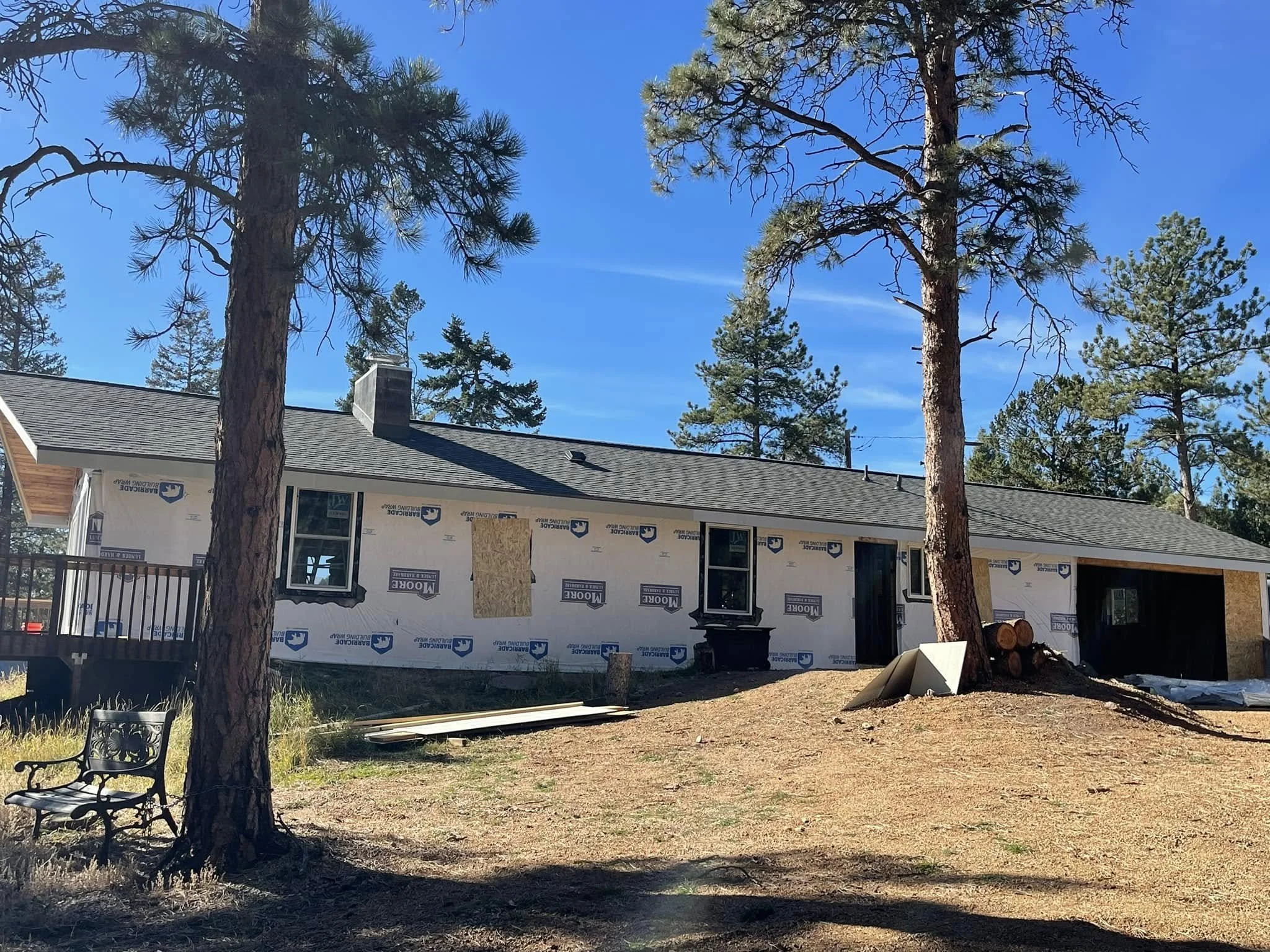
On exterior walls, rigid insulation may be installed continuously over structural sheathing and secured with compatible fasteners. It can then be covered by an appropriate weather-resistant barrier, cladding, or other exterior finish system. In some assemblies, rigid insulation is installed between framing members.
Roofing applications use rigid insulation as part of a roof assembly, where panels may be installed above the roof deck or incorporated into other layers of the system. Below-grade insulation may be secured to foundation walls using adhesives or mechanical fastening methods suitable for the application.
Joints between panels may require specific treatment depending on the assembly. Compatible tape, sealants, or spray foam can sometimes be used to reduce air movement through gaps, but the appropriate method depends on the product and building design.
Understanding R-Value
R-value measures a material's resistance to heat flow. A higher R-value generally indicates greater resistance to heat transfer. The R-value of rigid insulation depends on the product, thickness, temperature, and other factors.
Rigid insulation is often selected partly because it can provide substantial thermal resistance in a relatively thin layer. However, the insulation's labeled R-value does not necessarily represent the performance of an entire wall or roof assembly. Framing, fasteners, joints, air leakage, moisture, and other materials can affect overall thermal performance.
Building codes establish minimum insulation requirements for different parts of a home, and recommended insulation levels vary by climate zone and construction type. Proper product selection and installation are therefore important for achieving the intended thermal performance.
When correctly incorporated into a building assembly, rigid insulation can help improve energy efficiency, reduce heat transfer, and create a more consistent thermal barrier throughout a home's exterior envelope.
“Troost roofing is a reputable, trustworthy and reliable roofing company. I cannot recommend them highly enough!”
-Dena M.