Coal Creek Roofing
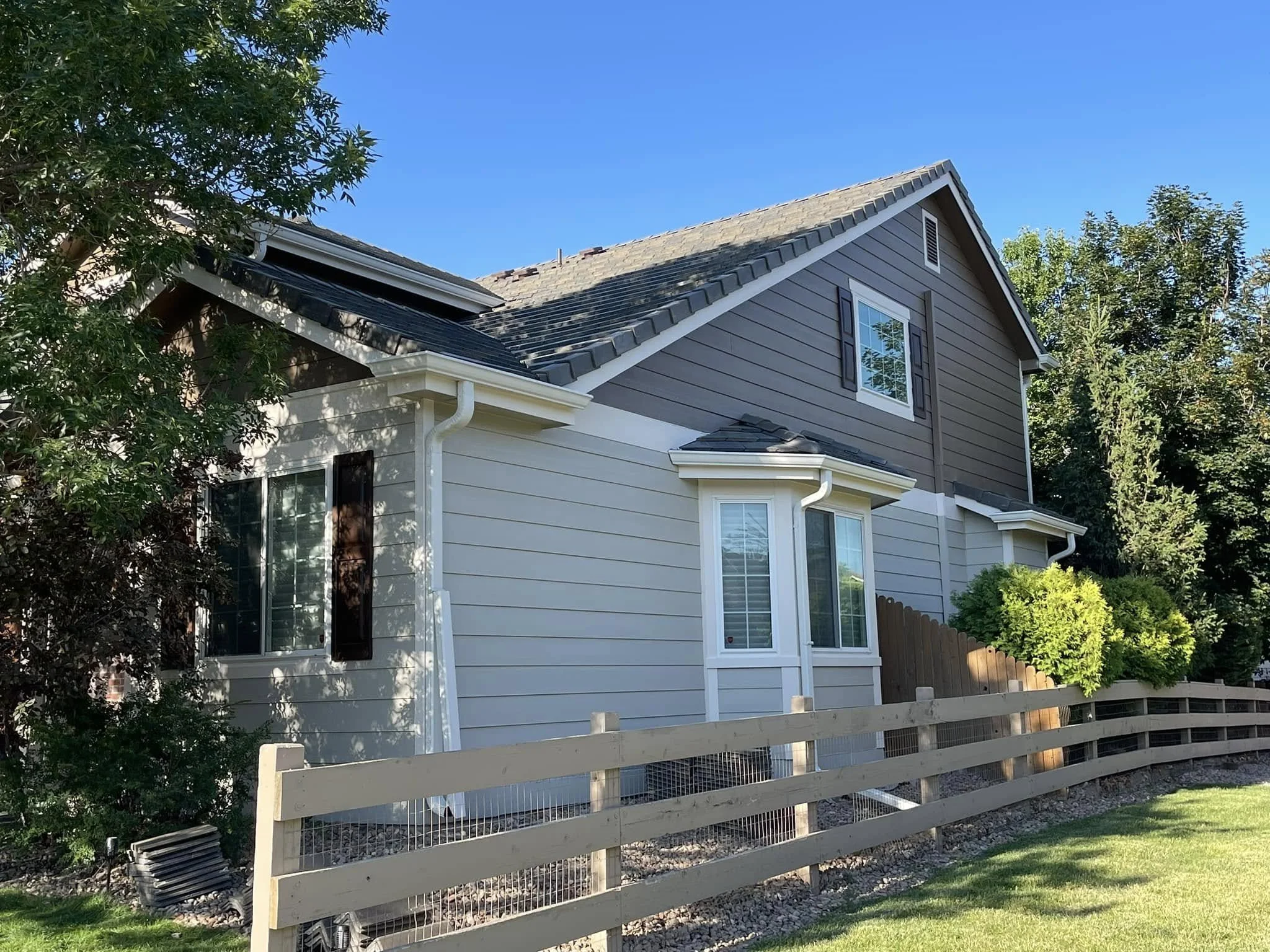
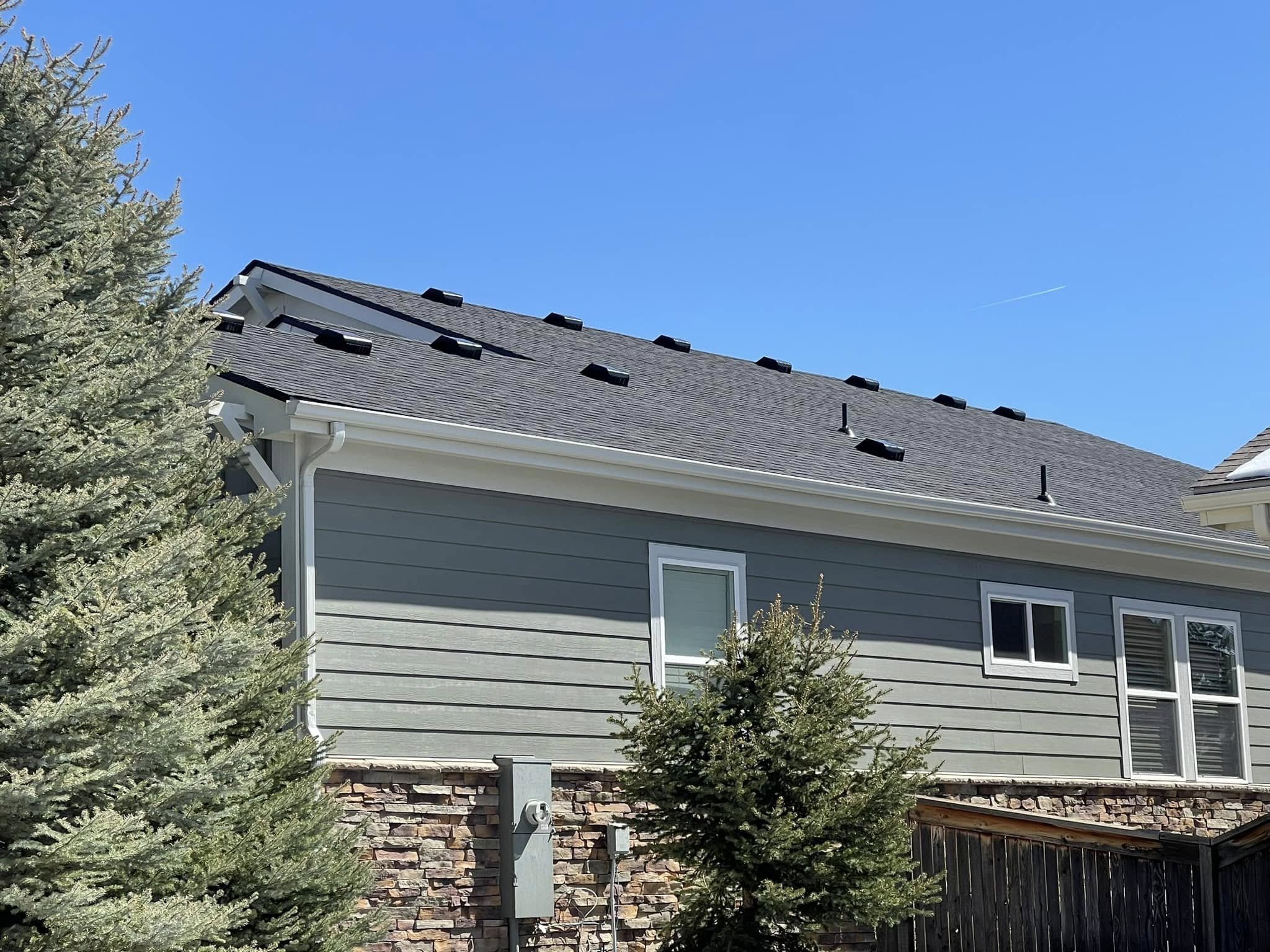
Coal Creek, particularly the Coal Creek Canyon area west of the Denver metropolitan region, has a foothill climate with substantial seasonal variation. Elevation changes across the canyon create differences in temperature and snowfall, while the mountainous terrain can contribute to localized weather conditions. Snow is a significant roofing consideration: available climate data indicate that Coal Creek experiences measurable snowfall from roughly September through May, with April averaging the highest monthly snowfall at about 7.8 inches.
Because of the combination of snow, temperature changes, wind, and mountain exposure, residential roofs in Coal Creek generally benefit from durable materials and adequate slope for drainage and snow shedding. Metal roofing is one practical choice, particularly for mountain cabins and homes where longevity and resistance to weather are priorities. Asphalt shingles are also widely applicable, especially architectural or impact-resistant products designed for Colorado's hail and winter conditions. Proper underlayment, flashing, ventilation, fastening, and structural design are important regardless of the roofing material.
Coal Creek Roofing & Architecture
Coal Creek's architecture reflects its history as a sparsely populated mountain and summer-cabin community. Jefferson County's historic context identifies ranching properties and summer cabins as important early building types. The Twin Spruce subdivision, established in the 1920s, developed with Rustic-style cabins, while substantial residential development followed World War II. By the 1950s and 1960s, subdivisions had expanded the area's year-round population.
Contemporary Coal Creek homes continue this mountain-oriented architectural tradition while incorporating ranch houses, bi-level homes, A-frames, cabins, cottages, and larger custom residences. Homes frequently emphasize wood and stone, decks, expansive windows, and designs that respond to wooded lots and mountain views.
Shingle selection can complement these architectural styles. Rustic cabins and log homes generally pair naturally with brown, weathered-gray, or wood-toned architectural shingles, while ranch and bi-level homes can use dimensional asphalt shingles in neutral gray, brown, or blended colors.
A-frame and contemporary mountain homes often work well with dark gray or charcoal shingles that emphasize their steep roof geometry. Metal roofing can also complement Rustic, contemporary, and mountain-modern designs, although the appropriate material depends on the home's architecture, roof structure, and local requirements.