Roof Repair in Bailey, CO
Roof spot repair is a targeted roofing service used to correct localized damage without replacing the entire roof. When the overall roofing system remains in serviceable condition, addressing a specific damaged area can help restore weather protection and prevent a small problem from developing into more extensive damage. The appropriate repair method depends on the roofing material, location, cause, and severity of the problem.
Common Reasons a Roof Needs Repair
One of the most common causes of roof damage is weather exposure. Strong winds can loosen, lift, or remove shingles, while hail can create cracks, dents, and impact damage. Heavy snow and ice can also place additional stress on roofing materials and flashing.
Age and normal deterioration are another frequent cause. Roofing materials gradually lose their protective properties as they are exposed to sunlight, moisture, temperature changes, and repeated freeze-thaw cycles. Shingles may become brittle, lose granules, curl, or crack over time.
Flashing failures can also result in localized leaks. Flashing is installed around areas such as chimneys, skylights, vents, walls, and roof valleys to direct water away from vulnerable transitions. Damaged, corroded, or improperly sealed flashing can allow moisture to enter the roofing assembly.
Other causes include damaged pipe boots, clogged drainage systems, fallen branches, punctures from foot traffic, and improper installation. In some cases, a roof leak may be caused by water entering at one location and traveling beneath the roofing materials before becoming visible elsewhere.
How Roof Spot Repair Is Performed
A spot repair generally begins with an inspection to locate the source and determine the extent of the damage. Roofing contractors evaluate shingles or other surface materials as well as flashing, underlayment, roof penetrations, and the underlying roof deck when necessary.
For damaged asphalt shingles, the affected shingles are typically carefully removed along with the associated fasteners. Replacement shingles are positioned and secured according to the roofing system's requirements. Sealant may be used where appropriate, but it is generally not a substitute for properly installed roofing materials.
If flashing is the source of a leak, damaged sections may need to be removed and replaced or properly resealed. Repairs around vents and other penetrations require compatible materials and careful integration with the surrounding roofing system.
If water has damaged the roof deck beneath the surface, the affected roofing materials may need to be removed so the damaged decking can be replaced. The roofing layers are then restored over the repaired area.
The goal of spot repair is not simply to cover visible damage. A proper repair addresses the underlying source of water intrusion and restores the roofing system's ability to shed water.
Signs a Roof May Need Repair
Several warning signs can indicate that localized roof damage requires professional attention. Missing, cracked, curling, or visibly damaged shingles are among the most obvious. Areas with excessive granule loss may also indicate aging or deterioration.
Water stains on ceilings or walls can signal a roof leak, although the visible stain does not always correspond directly with the location of the roof damage. Damp insulation, musty odors, or visible moisture in an attic can provide additional evidence of water intrusion.
Other warning signs include damaged flashing, deteriorated sealants, sagging roof sections, and unexplained increases in moisture around roof penetrations. After severe wind or hail, an inspection can help identify damage that may not be readily visible from the ground.
Timely spot repair can help limit secondary damage to insulation, decking, drywall, framing, and interior finishes. However, when damage is widespread or the roof has reached the end of its expected service life, a complete roof replacement may provide a more appropriate long-term solution.
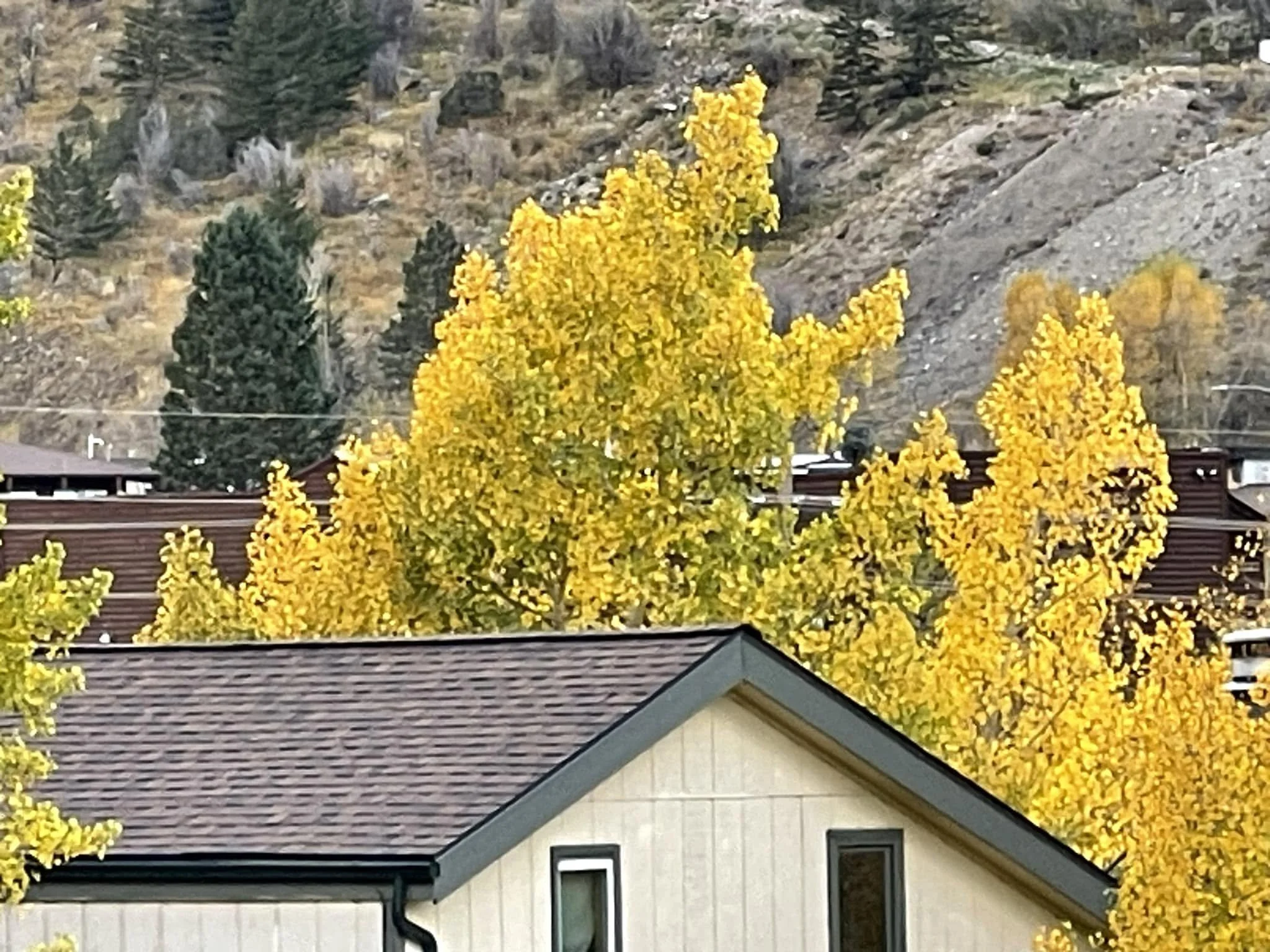
“Very professional work; Troost did an excellent job on our roof.”
-Seth I.