Roofing in Golden, CO
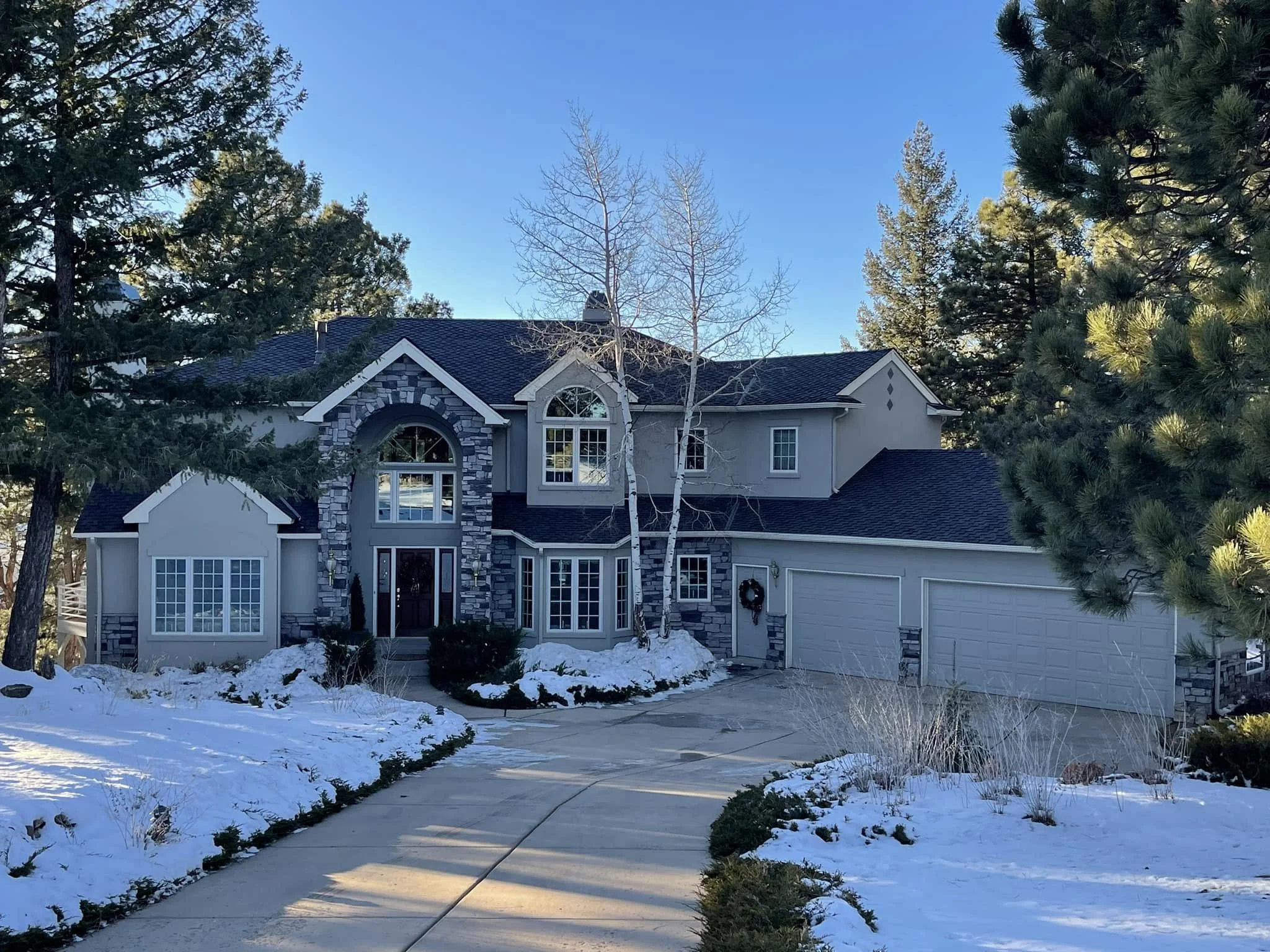
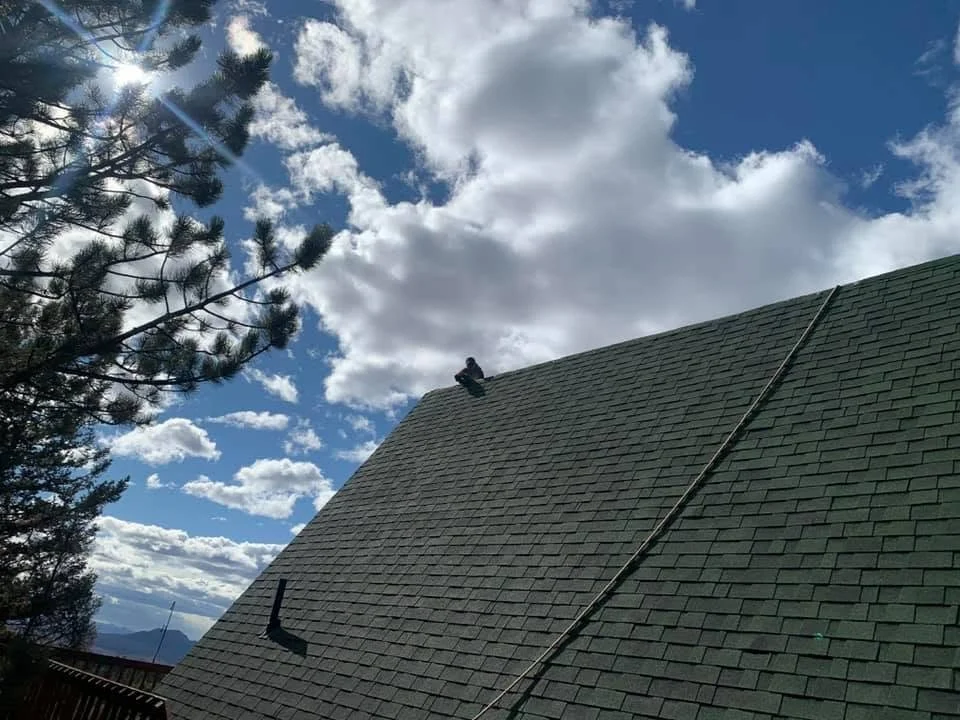
Golden, Colorado, founded in 1859 during the Pike’s Peak Gold Rush, developed as a trading and supply center for miners traveling into the Rocky Mountains. It served as the territorial capital from 1862 to 1867 and later grew through agriculture, manufacturing, railroads, mining-related industries, and the establishment of the Colorado School of Mines. These economic changes are reflected in Golden’s unusually varied architectural character.
Golden, CO Architecture & Climate
Golden’s Twelfth Street Historic District contains many of its best-preserved residential examples. Houses dating from roughly the 1870s through the early twentieth century include vernacular interpretations of popular national styles, particularly Italianate architecture, along with classic cottages and later bungalows. Downtown Washington Avenue similarly retains historic brick commercial buildings representing changing architectural periods. By the early twentieth century, Arts and Crafts architecture became prominent, with relatively simple forms, broad eaves, porches, and efficient floor plans.
Golden’s architecture must contend with its foothills climate. Winters are cold, while Chinook winds can produce rapid temperature changes and snowmelt. Snowfall varies considerably depending on the weather station and period of record, but historical climate data indicate substantial winter and spring snowfall; one Golden-area dataset reports approximately 73 inches annually, with March among the snowiest months.
Roofing in Golden
Roof design therefore has both structural and historical importance. Golden’s current building code specifies a 42.9 pounds-per-square-foot ground snow load for determining roof design loads. This does not mean every roof must carry exactly that amount of snow; structural design also considers roof geometry, snow distribution, exposure, drifting, and other code requirements.
Roofing materials should consequently be durable and installed as part of a properly engineered roof assembly. Asphalt shingles are permitted but Golden requires enhanced fastening—at least six fasteners per strip shingle under its current code. Wood roofing must meet a Class A roofing-assembly requirement. In historic districts, replacement materials should also respect the original roof form, pitch, character, and appearance; compatible contemporary materials such as dimensional shingles may be appropriate.