Bailey, CO Roofing
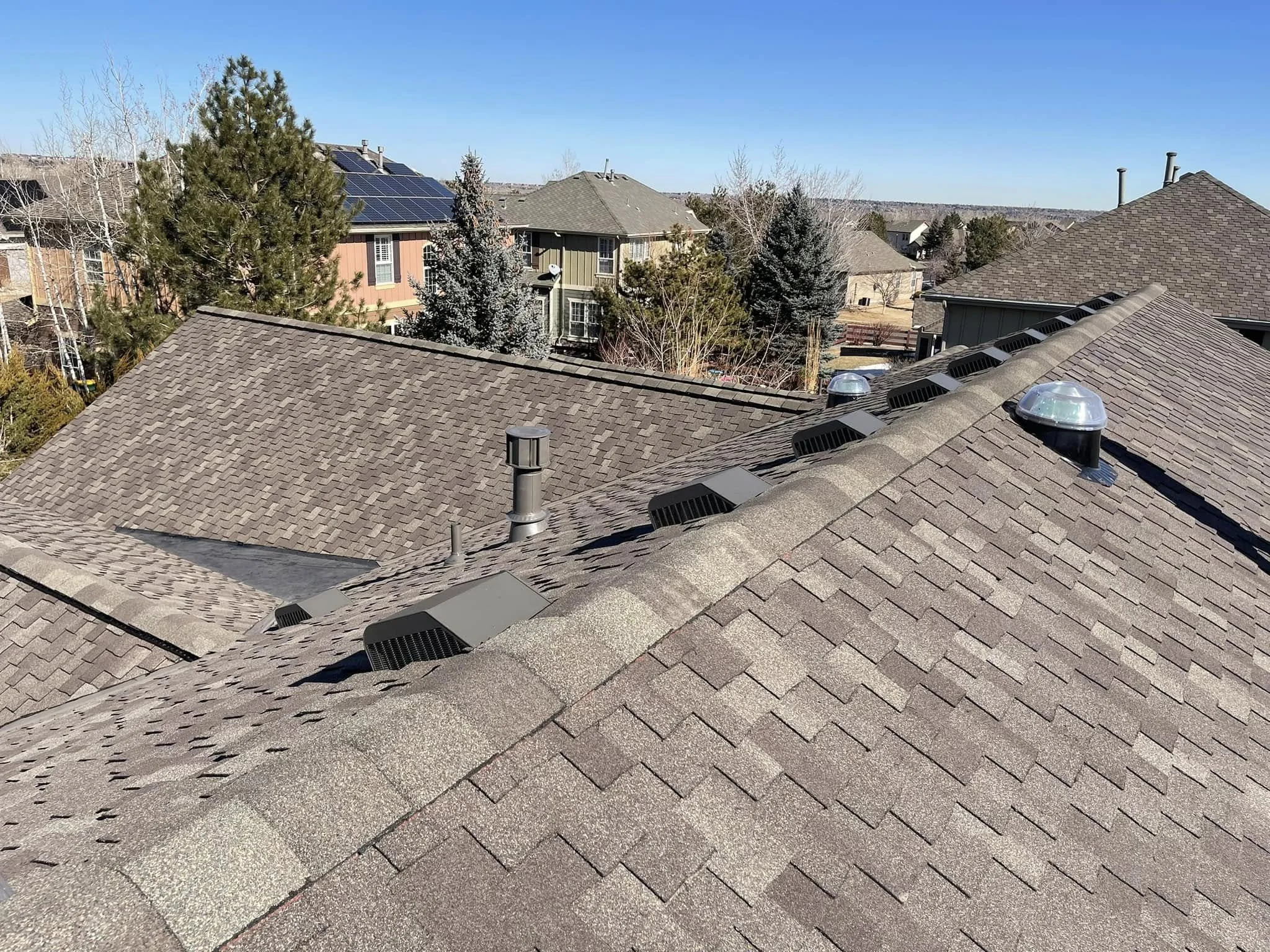
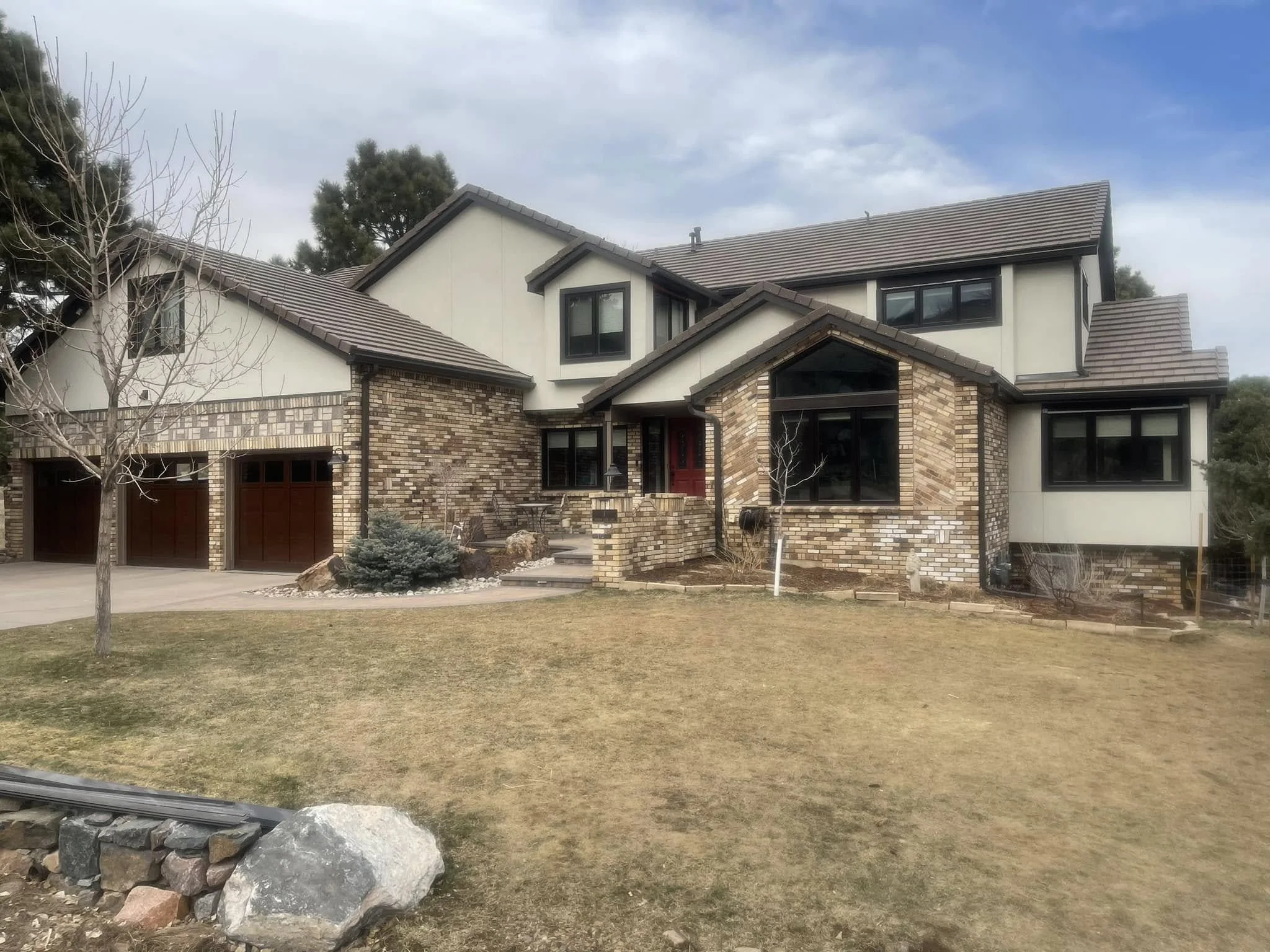
Bailey, Colorado, developed from the ranch and stage-stop established by William L. Bailey in 1864. The Denver, South Park & Pacific Railroad reached the community in 1878, supporting the movement of miners, timber, and other goods through the region. Timber resources were especially important to Bailey's early economy, with sawmills and lumberyards becoming prominent. Today, Bailey remains a small mountain community and a hub for residences, summer homes, and recreational properties.
Architecture & Roofing in Bailey, CO
This history is reflected in Bailey's residential architecture. Early buildings tended to use locally available wood and straightforward construction suited to a remote mountain environment. The area's resort history also encouraged the development of rustic cabins and lodges. The Glen-Isle Lodge, constructed around 1900, is a notable example: its architecture incorporates log construction, wood shingles, and other materials associated with the mountain setting. Its surrounding cabins similarly used wood construction and composition roofing.
Modern Bailey includes a mixture of log cabins, rustic mountain homes, ranch-style houses, cottages, and newer custom residences. Roofing materials can complement these different architectural forms. Rustic and log homes commonly pair well with brown, weathered-gray, or wood-toned architectural asphalt shingles, which visually complement natural timber. Ranch-style homes can use dimensional asphalt shingles in gray, brown, or blended earth tones. Contemporary mountain homes often suit darker gray or charcoal shingles, while standing-seam metal roofing can complement both modern and traditional mountain designs.
Weather in Bailey, CO
Bailey's weather makes roofing performance particularly important. At an elevation of roughly 7,750 feet, the community has cold winters and relatively warm summers. Snow can occur from fall through spring, and mountain weather can change rapidly. The combination of snow, wind, freeze-thaw cycles, and strong sunlight places additional demands on roofing materials.
For these conditions, properly installed architectural or impact-resistant asphalt shingles are common practical choices for houses, while metal roofing can provide another durable option. Roof pitch, structural capacity, flashing, underlayment, ventilation, and snow management are important regardless of material.