Black Hawk Roofing
Black Hawk, Colorado, was established during the Colorado Gold Rush after gold was discovered in the area in 1859. The resulting mining boom shaped the community’s early architecture. Buildings were constructed rapidly to serve miners, merchants, and workers, and many used locally available timber and stone. As the town developed, commercial buildings, residences, hotels, and other structures reflected the practical vernacular architecture common to nineteenth-century mining communities. Surviving historic buildings contribute to Black Hawk’s distinctive character, with wood-frame construction, masonry, and traditional Western forms remaining important visual elements.
Architecture & Roofing in Black Hawk
Black Hawk’s architecture is closely associated with its historic mining-town setting. Traditional residences and cabins commonly feature relatively simple rooflines, wood siding or logs, porches, and other utilitarian details. Modern homes in the surrounding mountain area also frequently use rustic or mountain-oriented designs, incorporating wood, stone, and steeply pitched roofs.
Roofing materials need to account for Black Hawk’s high elevation and substantial winter weather. National Weather Service snowfall records from a Black Hawk-area station at approximately 9,120 feet recorded 139.8 inches of snow during the 2019–2020 season, illustrating how snowfall can vary significantly at higher elevations. Earlier seasons recorded substantially more snow as well. Winters are generally cold, and roofs may also experience strong winds, freeze-thaw cycles, and prolonged snow accumulation.
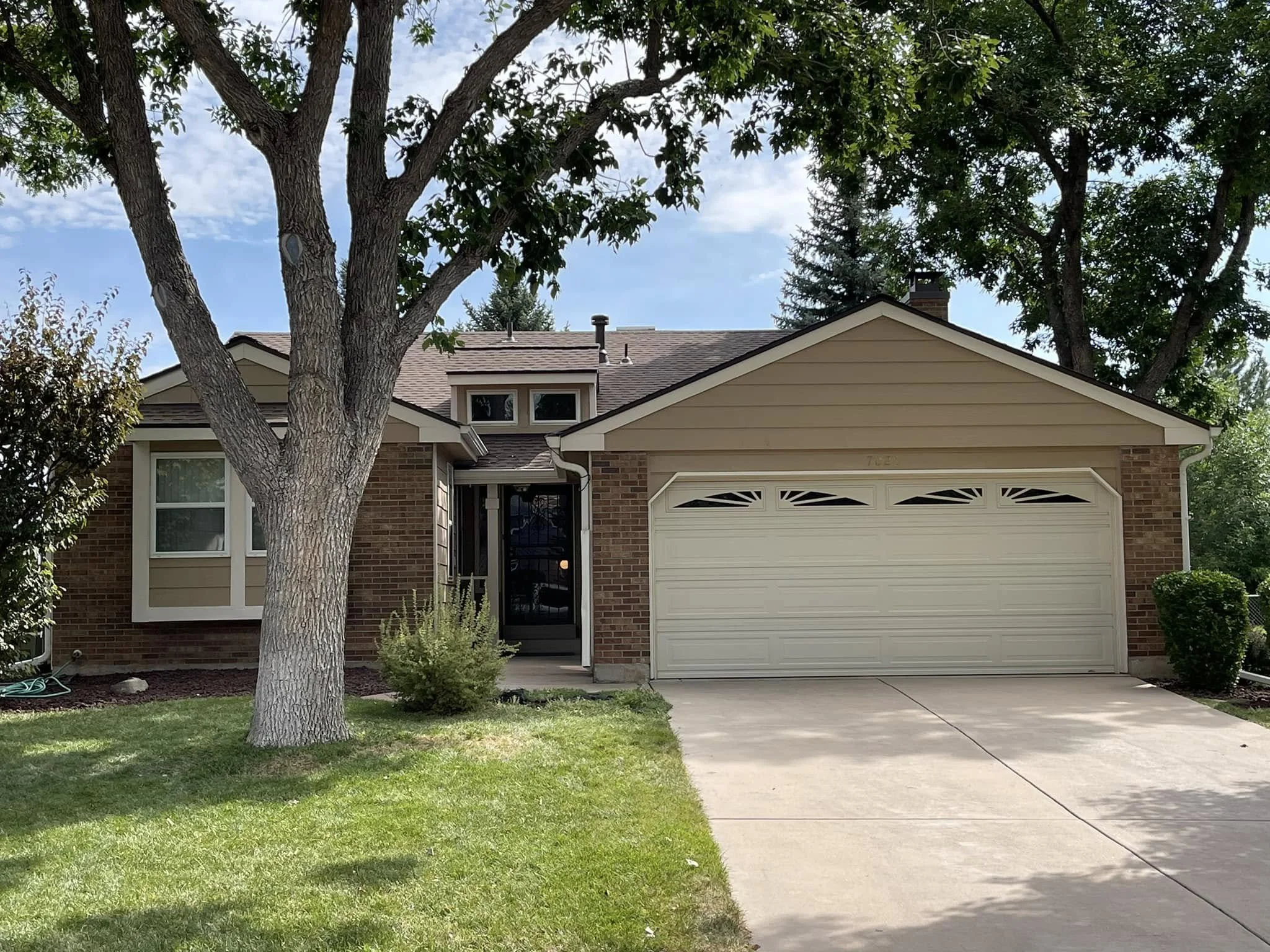
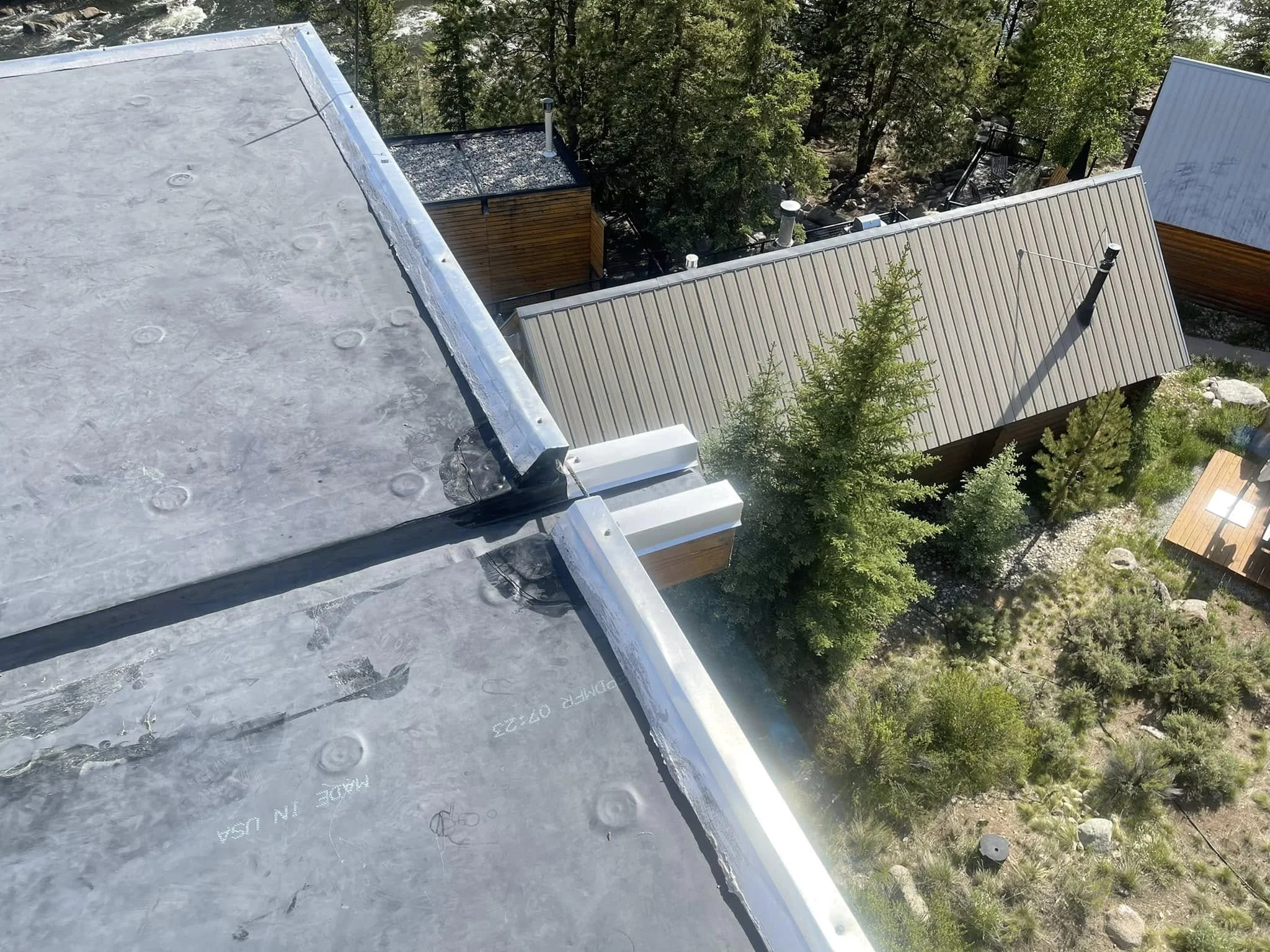
For homes in Black Hawk, architectural asphalt shingles, metal roofing, and other durable steep-slope roofing systems are practical choices when properly engineered and installed. Architectural shingles can complement traditional ranch houses, cottages, and mountain homes, particularly in charcoal, weathered gray, brown, or other earth tones. Impact-resistant shingles may provide additional durability where hail is a concern. Metal roofing is particularly compatible with cabins, rustic homes, and contemporary mountain residences and can provide a long-lasting surface when designed for local snow and wind conditions.
Regardless of material, roof design is important in Black Hawk because of the area's snow exposure. Steeper roof slopes can facilitate snow shedding, while adequate structural capacity, flashing, underlayment, ventilation, and secure fastening are essential. Local site conditions and applicable building requirements should determine the final roof assembly.