Keeping a House Cool in Extreme Heat - Tips for Denver Homeowners
When summer temperatures climb into the 90s and beyond, many Denver homeowners find themselves searching for effective ways of keeping a house cool in extreme heat without watching their energy bills skyrocket. While air conditioning plays an important role in maintaining indoor comfort, many homeowners overlook one of the most important factors affecting indoor temperatures: the roofing system.
Your roof serves as the first line of defense against the intense Colorado sun. A properly designed roofing system can significantly reduce heat transfer into your home, improve energy efficiency, and help maintain comfortable indoor temperatures throughout the summer.
Why Denver Homes Face Unique Summer Heat Challenges
Denver's high elevation means the city receives stronger solar radiation than many other parts of the country. Even when temperatures are moderate, the sun's intensity can cause roofing materials to absorb substantial amounts of heat. During heat waves, roof surfaces can reach temperatures well over 150 degrees Fahrenheit.
As roofing materials absorb heat, that energy transfers into the attic and eventually into living spaces below. The harder your air conditioning system has to work to remove that heat, the more energy it consumes. This is why homeowners interested in keeping a house cool in extreme heat should start by evaluating the condition and performance of their roofing system.
How Your Roof Affects Indoor Temperatures
Many homeowners think of a roof simply as protection from rain, snow, and hail. However, your roofing system is also a critical component of your home's energy efficiency.
A complete roofing system includes:
Roofing materials
Underlayment
Ventilation components
Insulation support
Flashing and sealing systems
When these components work together properly, they help reduce heat gain and improve airflow throughout the home.
Older roofs often absorb excessive solar heat, especially if they use dark-colored materials or have deteriorating ventilation systems. This can create an overheated attic environment that radiates heat downward into living areas.
The Benefits of Cool Roofing Materials
One of the most effective upgrades for keeping a house cool in extreme heat is installing energy-efficient roofing materials designed to reflect sunlight.
Cool roofing products are engineered to reflect more solar energy and absorb less heat than traditional roofing materials. Options available for Denver homeowners include:
Reflective Asphalt Shingles
Modern asphalt shingles are available with reflective granules that help reduce heat absorption while maintaining attractive curb appeal. Many homeowners are surprised to learn that cool roof shingles can look nearly identical to traditional roofing products.
Metal Roofing
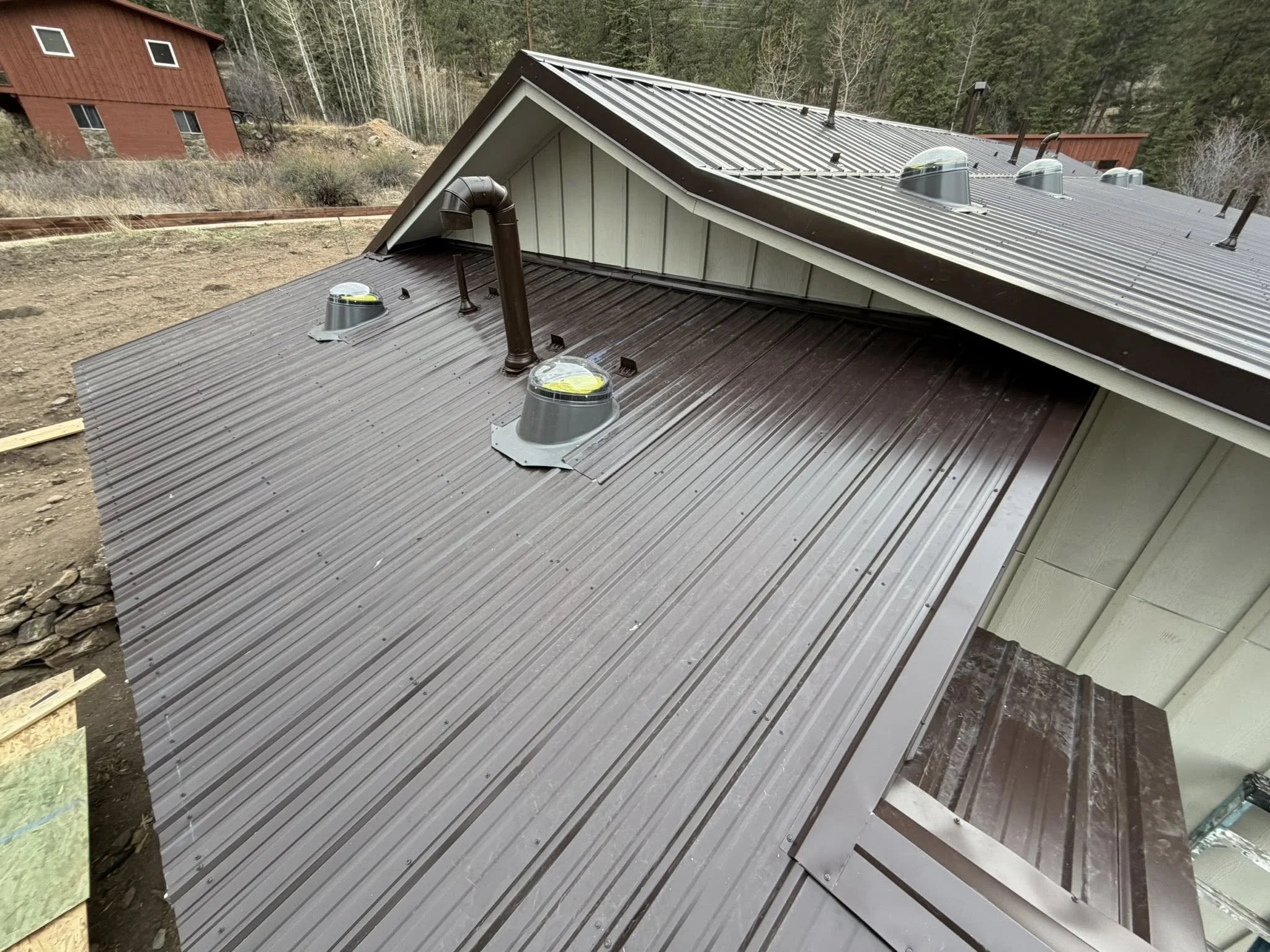
Metal roofs are among the most energy-efficient roofing systems available. Their reflective surfaces help reduce solar heat gain.
Light-Colored Roofing Systems
Lighter roofing colors naturally reflect more sunlight than darker colors. While color selection should complement your home's appearance, choosing lighter shades can contribute to lower attic temperatures during summer months.
The Critical Role of Attic Ventilation
Even the best roofing materials cannot perform efficiently without proper attic ventilation.
Attic ventilation allows hot air to escape before it builds up and transfers into living spaces. Without adequate ventilation, attic temperatures can exceed 140 degrees Fahrenheit during the summer.
A balanced ventilation system typically includes 2 parts:
1. The Intake Ventilation
Soffit vents located along the roof's edge allow cooler outside air to enter the attic.
2. The Exhaust Ventilation
Ridge vents, roof vents, or other exhaust systems allow rising hot air to escape from the attic.
Together, these components create continuous airflow that helps regulate attic temperatures.
Proper ventilation offers several benefits:
Lower attic temperatures
Reduced cooling costs
Improved indoor comfort
Longer roof lifespan
Reduced moisture buildup
For Denver homeowners, attic ventilation is often one of the most cost-effective improvements for reducing summer heat gain.
Upgrading Attic Insulation
While insulation is not technically part of the roofing material itself, it works closely with the roofing system to improve energy efficiency.
Insulation acts as a thermal barrier between your attic and living spaces. When attic temperatures rise, proper insulation helps prevent that heat from entering your home.
Many older Denver homes have insufficient attic insulation by today's standards. Upgrading insulation can significantly improve comfort and reduce energy consumption throughout the year.
Signs you may need additional attic insulation include:
Uneven indoor temperatures
High summer utility bills
Hot second-floor rooms
Excessive air conditioner run times
Combining improved insulation with proper ventilation creates a powerful strategy for naturally cooling your home.
Consider Radiant Barrier Technology
Radiant barriers are reflective materials installed in attics that help reduce radiant heat transfer.
These systems reflect solar heat away from living spaces before it can be absorbed into attic insulation. In sunny climates like Colorado, radiant barriers can contribute to lower attic temperatures and improved cooling efficiency.
While not appropriate for every home, radiant barriers can be an effective addition when paired with other roofing and ventilation upgrades.
Seal Air Leaks Around the Roofline
Small gaps and openings around your roof structure can allow hot air to enter your home and cooled air to escape.
Common areas that should be inspected include:
Attic access doors
Plumbing penetrations
Electrical openings
Recessed lighting fixtures
Chimney connections
Air sealing helps improve the effectiveness of insulation and reduces the strain on your cooling system.
When It May Be Time for a Roof Replacement
If your roof is nearing the end of its lifespan, roof replacement may offer an opportunity to dramatically improve energy efficiency.
A modern roofing system can incorporate:
Reflective roofing materials
Improved ventilation design
Updated underlayment technology
Enhanced attic airflow
Better moisture protection
Many Denver homeowners notice improved comfort and reduced cooling costs after replacing an aging roof with modern energy-efficient materials.
Save Money While Staying Comfortable
Successfully keeping a house cool in extreme heat requires a whole-home approach, and your roof is at the center of that strategy. By reducing heat absorption, improving ventilation, upgrading insulation, and maintaining a properly functioning roofing system, homeowners can create a cooler indoor environment while lowering air conditioning costs.
In Denver's sunny climate, investing in roofing and ventilation improvements can provide long-term benefits that extend far beyond summer comfort. Not only can these upgrades help reduce monthly utility bills, but they can also increase the lifespan of your roof and improve overall home value.
If you're concerned about excessive attic heat, rising energy bills, or indoor comfort during Colorado's hottest months, a professional roof inspection can help identify opportunities to improve your home's energy efficiency and cooling performance. Give Troost Roofing a call to schedule a roof inspection or to get an estimate for your roofing project.