Shingle Roof Lifespan - How Long Should a Roof Last?
Whether you're purchasing a new home, planning a roof replacement, or simply trying to extend the life of your current roof, understanding the expected lifespan of various roofing materials can help you make informed decisions.
Many homeowners wonder how long their roof should last and why some roofs need replacement sooner than expected. While roofing materials play a major role, installation quality, maintenance habits, and environmental factors can all impact longevity. In this guide, we'll explore the natural lifespan of common roofing systems, reasons roofs may fail prematurely, and practical ways to extend your roof's service life.
The Average Lifespan of Popular Roofing Materials
Different roofing materials offer varying levels of durability and longevity. Understanding these differences can help homeowners choose the right roofing system for their needs and budget.
Asphalt Shingle Roofs
When discussing shingle roof lifespan, asphalt shingles remain the most common roofing material in the United States due to their affordability and reliable performance.
The average asphalt roof lifespan typically ranges from:
20 to 25 years for standard 3-tab shingles
20 to 30 years for architectural shingles
30 years or more for premium designer shingles
While manufacturer warranties may advertise longer coverage periods, real-world performance often depends on installation quality, ventilation, maintenance, and roof slope.
For many Denver homeowners, asphalt shingles offer an excellent balance between cost, appearance, and durability.
Metal Roofs
The metal roof lifespan may last longer than asphalt roofing materials.
Depending on the type of metal used, homeowners can expect:
40 years for steel roofing
50 years or more for aluminum roofing
70+ years for premium copper or zinc systems
Metal roofs are resistant to deterioration but can require more maintenance than traditional asphalt roofing systems. Although the upfront investment is higher, some homeowners appreciate the long-term value and durability.
Tile Roofs
Clay and concrete tile roofs are long-lasting roofing materials:
Expected lifespan:
Concrete tile: 20 to 40 years
Clay tile: 30 to 50 years or more
Tile roofs are known for their longevity, though the underlayment beneath the tiles may require replacement before the tiles themselves wear out.
Slate Roofs
Natural slate is considered one of the most durable roofing materials in the world.
Typical lifespan:
75 to 150 years
Because of its weight and installation requirements, slate roofing is often found on high-end homes and historic properties.
Wood Shake Roofs
Wood shake roofing offers natural beauty and distinctive curb appeal.
Expected lifespan:
20 to 30 years
Proper maintenance is critical for maximizing the lifespan of wood roofing materials.
Why Some Roofs Need Replacement Earlier Than Expected
Even when homeowners select high-quality roofing materials, some roofs require replacement long before reaching their expected lifespan.
Several factors can shorten roof performance:
Poor Installation
A roof is only as good as its installation. Improper flashing placement, inadequate fastening, incorrect shingle alignment, or shortcuts during installation can create vulnerabilities that lead to premature failure.
Working with an experienced Denver roofing contractor can significantly impact the long-term performance of your roof.
Inadequate Ventilation
Proper attic ventilation helps regulate temperature and moisture levels inside the roofing system.
Without sufficient ventilation:
Excess heat can accelerate shingle deterioration
Moisture can accumulate within the attic
Roofing materials may age prematurely
Structural components can suffer damage
Many roofing problems originate beneath the roof surface rather than on top of it.
Lack of Maintenance
Small roofing issues rarely stay small for long. Without proper roof maintenance, minor issues can become expensive repairs and may even necessitate your entire roof needing to be replaced.
Neglected maintenance can lead to:
Loose or missing shingles
Damaged flashing
Clogged drainage systems
Water intrusion
Structural deterioration
Routine inspections allow homeowners to identify problems before they become major repairs.
Tree Damage
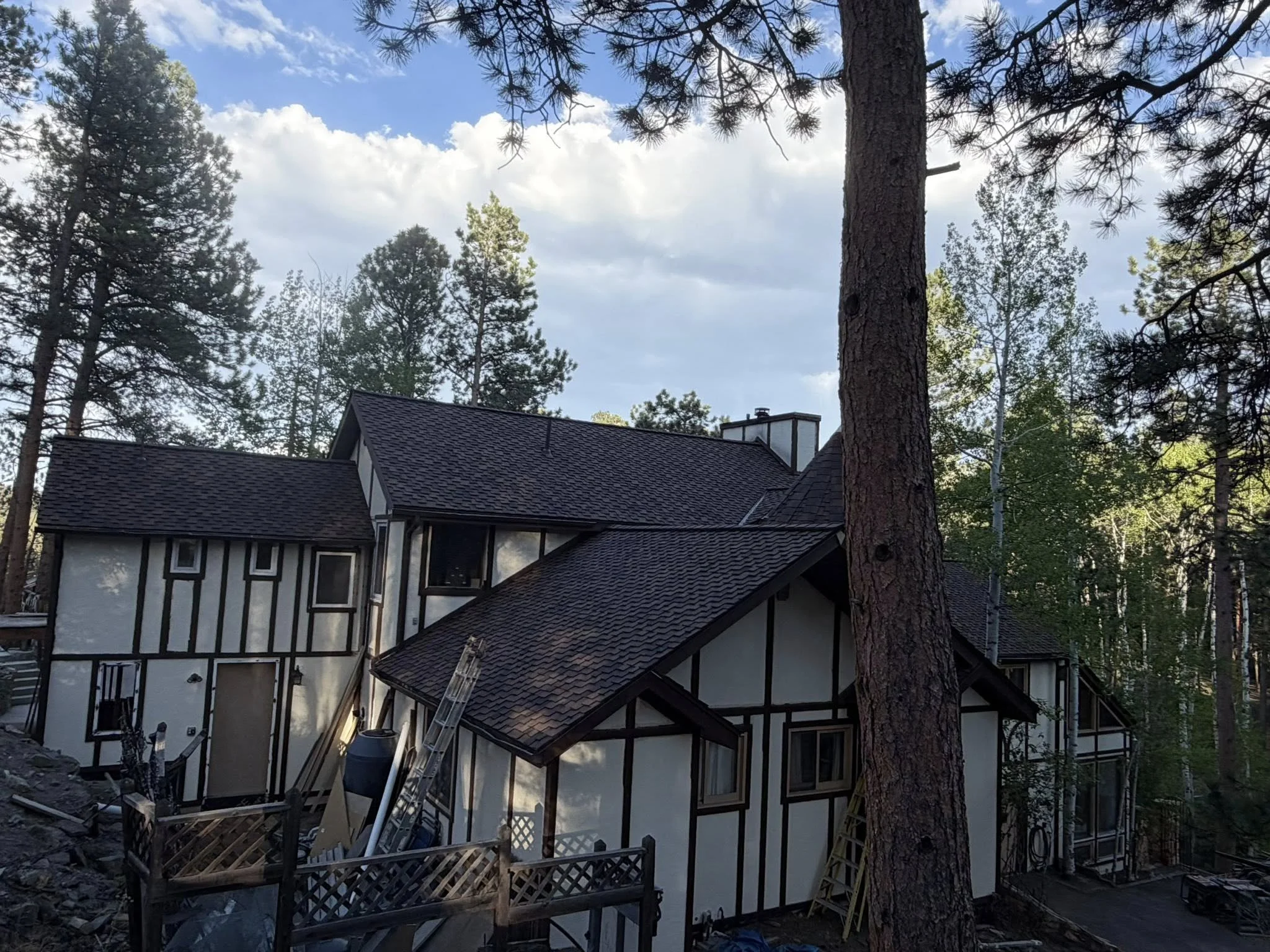
Overhanging branches can scrape roofing materials and create unnecessary wear over time.
Trees can also:
Deposit debris that traps moisture
Increase the risk of impact damage
Promote moss or algae growth
Keeping branches trimmed away from the roof can help preserve roofing materials.
Previous Repairs and Layering
Some roofs have multiple layers of roofing material installed over older systems.
While this may reduce short-term costs, it can:
Hide underlying issues
Add excess weight
Make future repairs more difficult
Shorten overall roof lifespan
In many situations, a complete roof replacement offers better long-term value.
How Homeowners Can Extend Their Roof's Lifespan
Although every roof will eventually require replacement, proper care can significantly increase its useful life.
Schedule Regular Roof Inspections
Professional inspections help identify developing issues before they become costly repairs.
Most roofing professionals recommend inspections:
Once annually
Following major storms
Routine inspections often add years to a roof's lifespan by addressing minor concerns early.
Keep Gutters Clean
Gutters play an important role in protecting the roofing system.
Clogged gutters can cause:
Water backup
Fascia damage
Roof edge deterioration
Foundation concerns
Regular gutter cleaning helps maintain proper drainage and reduces stress on the roof.
Address Repairs Promptly
Ignoring a small leak can result in extensive interior and structural damage.
Common repairs that should be addressed quickly include:
Missing shingles
Damaged flashing
Roof penetrations
Minor leaks
Prompt repairs often prevent much larger expenses later.
Maintain Proper Attic Ventilation
Ventilation is one of the most overlooked factors affecting roof longevity.
A balanced attic ventilation system helps:
Reduce moisture accumulation
Improve energy efficiency
Protect roofing materials
Extend overall roof life
Homeowners planning a roof replacement should discuss ventilation upgrades with their contractor.
Remove Debris Regularly
Leaves, branches, and other debris can trap moisture against roofing materials.
Regular roof cleaning helps prevent:
Premature deterioration
Algae growth
Drainage issues
Surface damage
Simple maintenance routines can significantly improve long-term performance.
When Should You Replace Your Roof?
Even with excellent maintenance, every roof eventually reaches the end of its service life. Common signs it may be time for a replacement include:
Frequent repairs
Missing or curling shingles
Granule loss
Visible sagging
Water stains inside the home
Aging beyond its expected lifespan
Understanding your roof's age and condition allows you to plan ahead rather than face unexpected emergencies.
Partner with a Trusted Denver Roofing Contractor
Whether you're evaluating the remaining shingle roof lifespan of your current system, comparing the asphalt roof lifespan to other materials, or considering the long-term value of a metal or concrete roof lifespan, professional guidance can help you make the best decision for your home.
At Troost Roofing, we help Denver homeowners understand the condition of their roofs, identify opportunities to extend roof life, and determine when replacement becomes the most cost-effective solution. Through thorough inspections, quality craftsmanship, and expert recommendations, our team helps homeowners protect one of their most valuable investments for years to come.
Give Troost Roofing a call to schedule an inspection or get an estimate!