Roof Inspection after High Winds in Denver - Is It Necessary?
Denver homeowners are no strangers to severe weather. While hailstorms often receive the most attention, the city's powerful windstorms can be just as damaging to residential roofs. Strong wind gusts can loosen shingles, damage flashing, lift roofing materials, and expose your home to costly water damage - even when the damage isn't immediately visible from the ground.
If you've recently experienced a windstorm, scheduling a roof inspection after high winds in Denver is one of the smartest steps you can take to protect your home. A professional inspection can identify hidden damage before it leads to expensive repairs, helping you maintain your roof's performance and extend its lifespan.
Do Homeowners Need a Roof Inspection After High Winds?
Yes. Even if your roof appears to be in good condition, high winds can cause subtle damage that isn't visible without a close inspection. Wind can weaken roofing materials, create small openings for moisture, or loosen components that later fail during the next storm.
Many homeowners assume that if there are no leaks, their roof escaped the storm unscathed. Unfortunately, roof damage often develops gradually. A single lifted shingle or damaged piece of flashing can allow water to penetrate beneath the roofing system, leading to mold, wood rot, insulation damage, and interior repairs over time.
A professional roof inspection provides peace of mind by confirming whether your roof is still fully protecting your home or whether repairs are needed before minor issues become major problems.
How High Winds Affect Different Types of Roofs
Every roofing material responds differently to strong winds. Understanding these differences can help homeowners recognize why inspections are so important after severe weather.
Asphalt Shingle Roofs
Asphalt shingles are among the most common roofing materials in Denver, but they are also susceptible to wind damage.
High winds can:
Lift and curl shingles
Break the adhesive seal between shingles
Tear shingles completely off the roof
Expose the underlayment to moisture
Scatter granules that protect shingles from UV damage
Even if only a few shingles are affected, the exposed areas become vulnerable to water intrusion during future rain or snow.
Metal Roofs
Metal roofs generally perform well during high winds, but they are not immune to damage.
Potential issues include:
Loose fasteners
Lifted panels
Damaged seams
Bent flashing
Debris impacts that dent the surface
Because metal roofing systems rely on secure connections, even minor movement can reduce their weather resistance.
Tile Roofs
Concrete and clay tile roofs are durable but can suffer damage from wind-driven debris or shifting tiles.
Roofers often find:
Cracked or broken tiles
Dislodged ridge caps
Shifted tiles exposing the underlayment
Damaged flashing around roof penetrations
Since individual damaged tiles may not be obvious from the ground, professional inspections are especially valuable.
Wood Shake Roofs
Wood shake roofs have a natural appearance but require regular maintenance.
Strong winds may:
Split shakes
Loosen fasteners
Remove individual shakes
Allow moisture beneath the roofing system
Older wood roofs are particularly vulnerable because weathered shakes become more brittle over time.
Flat Roofing Systems
Flat roofs, also known as EPDM rubber roofing systems, on homes and commercial buildings can also suffer wind-related damage.
Roofers commonly inspect for:
Lifted membrane edges
Torn roofing membranes
Punctures from airborne debris
Damaged drainage components
Loose flashing
Because water drains more slowly on flat roofs, even small areas of damage can quickly lead to leaks.
What Do Roofers Look for During a Roof Inspection?
A professional roof inspection involves much more than simply looking for missing shingles.
During a roof inspection after high winds in Denver, experienced roofers carefully examine the entire roofing system, including:
Roofing Materials
Roofers inspect for:
Missing shingles or tiles
Cracked roofing materials
Lifted or curled shingles
Granule loss
Surface deterioration
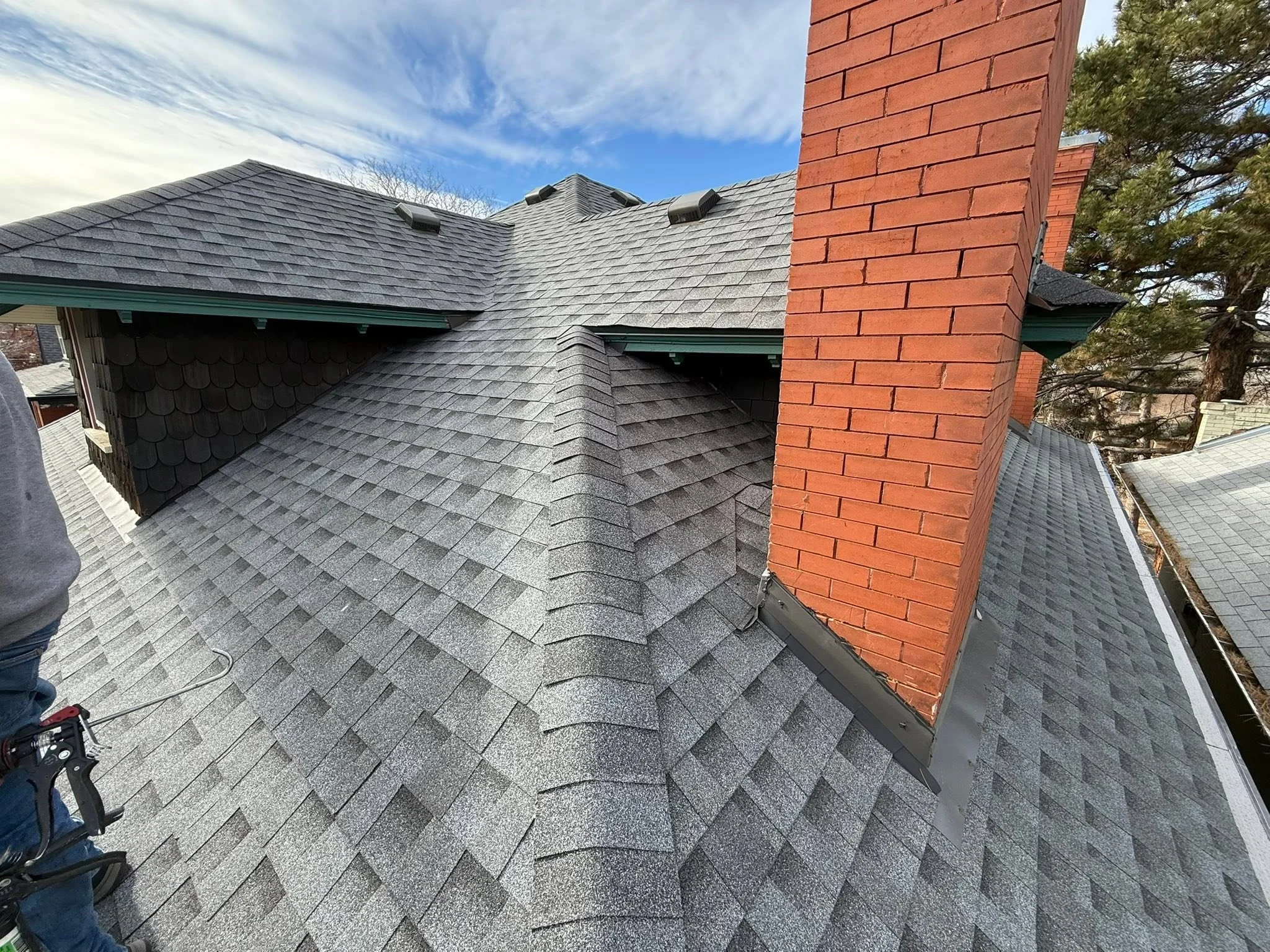
Flashing
Flashing protects vulnerable areas where water is most likely to enter the home.
Roofers inspect flashing around:
Chimneys
Skylights
Roof vents
Plumbing vents
Valleys
Roof edges
Loose or damaged flashing is one of the most common causes of roof leaks after windstorms.
Roof Penetrations
Every vent, pipe, and exhaust opening is carefully inspected to ensure seals remain intact after severe weather.
Gutters and Downspouts
Strong winds can loosen gutters or fill them with roofing debris.
Roofers check for:
Bent gutters
Loose fasteners
Proper drainage
Granule accumulation
Signs of overflow
Attic Inspection
Many roofing problems become visible inside the attic before they appear inside living spaces.
Roofers may look for:
Moisture intrusion
Water stains
Mold growth
Damaged insulation
Daylight entering through the roof
Structural Concerns
High winds can occasionally affect the roof's structural components.
Inspectors evaluate:
Roof decking
Sagging areas
Roof movement
Ventilation systems
A thorough inspection provides homeowners with a complete picture of the roof's condition.
How Often Should Homeowners Have Their Roof Inspected?
Most roofing professionals recommend scheduling a roof inspection at least once every year.
However, inspections should also be performed:
After major windstorms
After hailstorms
Following heavy snowfall
If you notice leaks or missing shingles
In Denver's unpredictable climate, annual inspections combined with post-storm evaluations offer the best protection against unexpected roofing problems.
The Benefits of Periodic Roof Inspections
Routine roof inspections provide significant long-term value for homeowners.
Detect Problems Early
Small roofing issues are far less expensive to repair than widespread water damage.
A lifted shingle today could prevent thousands of dollars in structural repairs tomorrow.
Extend Roof Life
Routine maintenance allows roofing materials to perform as intended throughout their expected lifespan.
Minor repairs completed promptly help maximize your investment.
Protect Your Home
Your roof protects everything beneath it.
Preventative inspections reduce the risk of:
Interior water damage
Mold growth
Insulation damage
Ceiling stains
Electrical hazards
Support Insurance Claims
If your home experiences storm damage, documentation from a professional inspection can help support your insurance claim.
Prompt inspections also establish when damage occurred, making the claims process smoother.
Save Money
Preventive maintenance almost always costs less than emergency roof replacement.
Addressing minor damage before it spreads helps homeowners avoid larger repair bills.
When to Schedule Roofing Repair in Denver
If your inspection reveals storm damage, don't delay repairs.
Professional roofing repair Denver services can replace damaged shingles, repair flashing, secure roofing materials, and restore your roof's weather resistance before additional storms arrive.
Ignoring wind damage often allows moisture to penetrate beneath the roof, where it can silently damage wood decking, insulation, drywall, and even your home's structural framing.
Timely repairs protect both your roof and the overall value of your property.
Trust Troost Roofing for Professional Roof Inspections
High winds are an unavoidable part of living in Colorado, but expensive roof damage doesn't have to be. Scheduling a professional roof inspection after high winds in Denver allows homeowners to identify hidden problems early, make informed repair decisions, and maintain the long-term health of their roofing system.
Whether your roof has asphalt shingles, metal panels, tile, wood shake, or a flat roofing system, regular inspections are one of the best investments you can make in your home. If damage is found, prompt roofing repair Denver services can restore your roof's integrity and help prevent more costly issues down the road.
At Troost Roofing, our experienced team provides thorough roof inspections, honest assessments, and quality repairs designed to keep Denver homes protected through every season. If your home has recently experienced strong winds, call Troost to schedule an inspection today!