Choosing the right roofing material is an important decision for homeowners in Coal Creek, Colorado. With its beautiful mountain surroundings, changing weather conditions, sunny days, winter snowfall, and occasional hailstorms, the area presents several challenges for residential roofing. Homeowners need a roof that offers dependable protection while complementing the appearance and character of their property.
Clay tile roofing is an option worth considering. Known for its distinctive appearance, impressive durability, and exceptional longevity, clay tile can provide homeowners with a long-term roofing solution. Although it comes with a higher initial investment and important structural considerations, its benefits may make it worthwhile for the right home.
Before choosing a new roof, it helps to understand the advantages, disadvantages, costs, and maintenance requirements of clay tiles.
Why Consider Clay Tile Roofing in Coal Creek, Colorado?
Clay roof tiles are manufactured from natural clay that is shaped and fired at high temperatures. This process creates a durable roofing material that can withstand many environmental conditions.
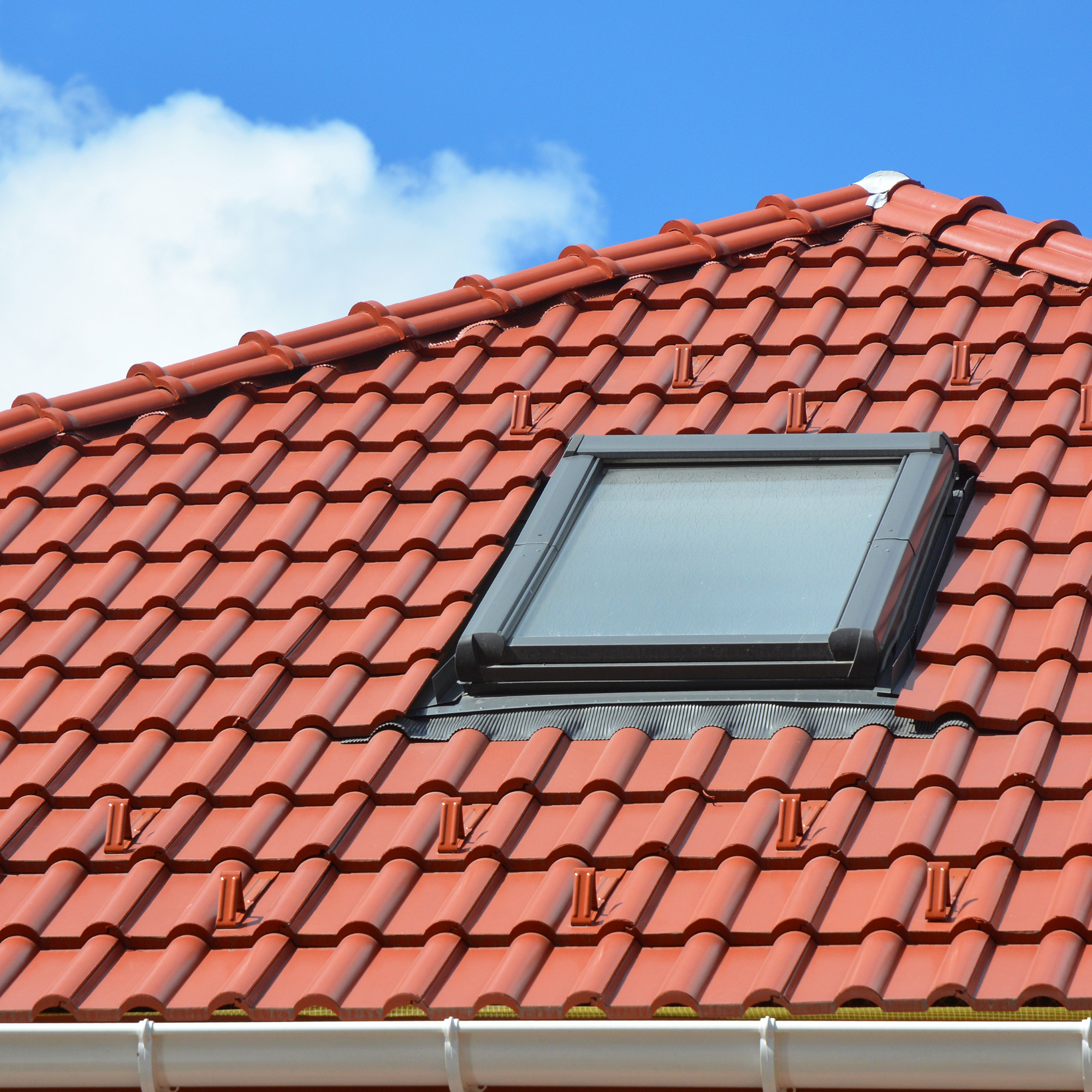
Clay tiles are available in various colors, profiles, and finishes, including traditional Spanish barrel tiles, flat tiles, and Mediterranean-inspired designs. Their distinctive appearance makes them an attractive option for homeowners who want something different from conventional asphalt shingles.
In Coal Creek, where homes can feature everything from rustic mountain architecture to contemporary designs, clay tiles can add character and curb appeal.
However, appearance is only one advantage. Clay roofing also offers several practical benefits that make it worth considering.
The Aesthetic Benefits of Clay Roof Tiles
One of the biggest advantages of clay roofing is its timeless appearance. Unlike standard asphalt shingles, which typically have a relatively uniform appearance, clay tiles provide depth, texture, and architectural interest.
Homeowners can choose from earthy shades such as terracotta, brown, red, and muted gray. These colors can complement natural surroundings, stone accents, wooden exterior features, and other elements commonly found in Colorado homes.
Clay tiles also retain their color exceptionally well because their natural pigments are integrated into the material during manufacturing. They generally do not fade as quickly as some other roofing products.
For homeowners planning to sell their property in the future, an attractive roof can also contribute to curb appeal and help create a distinctive exterior.
Durability Benefits: Can Clay Tiles Handle Colorado Weather?
Durability is another major reason homeowners consider clay roofing.
Coal Creek experiences a variety of weather conditions, including intense sunshine, temperature fluctuations, winter snow, and occasional severe storms. Roofing materials must withstand these conditions without deteriorating prematurely.
Clay tiles offer several advantages:
UV resistance: Clay tiles hold up well under prolonged sun exposure and generally resist the fading and deterioration associated with ultraviolet radiation.
Fire resistance: Clay is noncombustible, making it an appealing roofing material for homeowners concerned about wildfire exposure. The complete roof assembly must still meet applicable fire-resistance requirements.
Moisture resistance: Properly manufactured clay tiles have low water absorption, helping them resist moisture-related deterioration.
Insect and rot resistance: Unlike some organic roofing materials, clay does not rot or attract wood-damaging insects.
Long-term performance: Quality clay tiles can last for decades when properly installed and maintained.
Cold-weather performance deserves particular attention in Colorado. Clay tiles designed for freezing climates, including products meeting the appropriate ASTM C1167 requirements, can withstand freeze-thaw conditions. However, proper installation, underlayment, drainage, and ventilation are essential.
Hail is another consideration. Although clay is durable, it is not indestructible. Large hailstones and falling branches can crack or break individual tiles. Homeowners should discuss impact testing and product specifications with their roofing contractor before choosing a particular tile.
Understanding the Clay Tile Roof Lifespan
One of the most appealing features of clay roofing is its longevity. The average clay tile roof lifespan can range from 50 to 100 years or more, depending on the quality of the tiles, installation methods, local weather exposure, and ongoing maintenance.
This is considerably longer than the typical lifespan of many asphalt shingle roofs.
However, homeowners should understand that the tiles and the underlying roofing system have different lifespans. While clay tiles may last for generations, the underlayment, flashing, fasteners, and other roofing components may need maintenance or replacement sooner.
Regular inspections can help identify cracked tiles, deteriorating underlayment, loose flashing, and drainage problems before they cause leaks.
For Coal Creek homeowners, investing in high-quality materials designed for cold climates is particularly important. Proper installation helps ensure the roof can handle seasonal temperature changes, moisture, and winter conditions.
Clay Tile Roof Price: What Should Homeowners Expect?
The clay tile roof price is generally higher than the cost of traditional asphalt shingles. This is largely due to the manufacturing process, material costs, specialized installation requirements, and additional structural considerations.
Several factors influence the overall price:
Tile selection: Premium finishes, specialty colors, and distinctive profiles can increase material costs.
Roof size: Larger roofs require more tiles, labor, and installation materials.
Roof complexity: Steep slopes, multiple valleys, dormers, and other architectural features can make installation more complicated.
Structural reinforcement: Some homes may require additional support to accommodate the weight of clay tiles.
Underlayment and flashing: High-quality waterproofing components are essential to protect the roof beneath the tiles.
Labor costs: Clay tile installation requires experienced roofing professionals familiar with the material.
Although the initial investment can be substantial, homeowners should consider the long-term value rather than focusing exclusively on upfront expenses.
A clay roof may last significantly longer than an asphalt roof, potentially reducing the frequency of complete roof replacements. Maintenance and underlayment replacement costs should still be included when comparing lifetime expenses.
It is best to obtain multiple detailed estimates from qualified roofing contractors to understand the actual cost of installing clay tiles on your property.
Weight Considerations: Can Your Home Support a Clay Tile Roof?
One of the most important considerations when choosing clay roofing is weight.
Clay tiles are significantly heavier than asphalt shingles. Depending on the product and profile, a clay tile roof can weigh approximately 6 to 10 pounds per square foot, compared with roughly 2 to 4 pounds per square foot for many asphalt shingle systems.
That difference can have a significant impact on a home's structural requirements.
A roof originally designed for asphalt shingles may not have sufficient support for a heavy clay tile system. Installing clay tiles without evaluating the existing roof structure could create excessive loads on rafters, trusses, and other supporting components.
Before moving forward, homeowners should:
Have the existing roof structure evaluated by a qualified structural engineer.
Confirm that the framing can support the proposed roofing system.
Determine whether additional reinforcement is necessary.
Consider the combined effects of roofing weight, snow accumulation, and other applicable structural loads.
Verify that the proposed installation meets local building codes and permitting requirements.
This is particularly important in Colorado, where snow loads must be considered during roof design.
Although structural reinforcement may increase the initial cost, it is an important investment in the safety and long-term performance of the home.
Is Clay Tile Roofing a Good Investment for Coal Creek Homeowners?
Clay roofing can be an excellent long-term investment, but it is important to evaluate the specific conditions of your property before making a decision.
For Coal Creek homeowners, some of the most important considerations include:
Snow accumulation: Roof framing must accommodate local snow loads in addition to the weight of the tiles.
Freeze-thaw cycles: Choose clay tiles specifically manufactured and tested for cold-weather applications.
Hail exposure: Ask about impact resistance and the availability of replacement tiles.
Wildfire concerns: Clay's noncombustible properties can be beneficial, but proper installation and ember protection are also important.
Roof design: The roof's slope, structure, drainage, and architectural features must be compatible with the selected tile system.
Homeowners should also confirm applicable building codes and permitting requirements with their local building department before beginning installation.
Is Clay Tile Right for Your Home?
Clay tile roofing offers an attractive combination of beauty, durability, and longevity. Although the initial clay tile roof price is higher than asphalt shingles, its impressive clay tile roof lifespan can make it an appealing investment for homeowners planning to stay in their properties for many years.
If you are considering clay tiles for your Coal Creek home, give Troost Roofing a call!