Your roof is one of the most important parts of your home. It protects your family, belongings, and property from the elements, but it is also constantly exposed to weather conditions, temperature changes, and everyday wear and tear. Over time, these factors can lead to roof damage that may compromise your home's structural integrity and result in expensive repairs if left unaddressed.
Understanding the most common causes of roof damage, recognizing the warning signs, and knowing what steps to take when a problem arises can help homeowners protect their investment. Even seasonal activities, such as putting up holiday decorations, can unintentionally damage roofing materials.
So, can holiday decorations damage your roof? The answer is yes. Let's explore how roof damage happens, what signs homeowners should watch for, and when to contact a professional for help.
What Are the Main Causes of Roof Damage?
Roof damage can occur for several reasons, ranging from severe weather to improper maintenance. Some problems develop suddenly, while others happen gradually over several years.
Here are some of the most common causes.
1. Severe Weather and Storms
Severe weather is one of the leading causes of roof damage. High winds can lift or tear off shingles, exposing the underlying roof structure to moisture. Heavy rain can exploit existing weaknesses, causing leaks and water damage.
Hail is another significant concern. Even relatively small hailstones can crack shingles, damage protective granules, and weaken roofing materials. Larger hailstones may cause visible dents or punctures.
Snow and ice can also create problems, particularly during winter. Heavy snow places additional weight on the roof, while ice dams can prevent melting snow from draining properly. Water may then seep beneath shingles and enter the home.
2. Poor Installation or Low-Quality Materials
A roof that is improperly installed may develop problems much sooner than expected. Incorrectly placed shingles, inadequate flashing, poor ventilation, and improperly sealed roof penetrations can all create opportunities for water intrusion.
Low-quality materials may also deteriorate faster when exposed to harsh weather and temperature fluctuations.
Working with qualified roofing professionals and choosing appropriate materials can help reduce the likelihood of premature roof damage.
3. Lack of Regular Maintenance
Small roofing problems can become major repairs when homeowners overlook routine maintenance.
For example, clogged gutters can cause water to back up beneath roofing materials. Debris accumulating on the roof can trap moisture, while damaged flashing may allow water to enter vulnerable areas.
Regular inspections and maintenance help identify these issues before they become more expensive to fix.
4. Falling Branches and Nearby Trees
Trees provide shade and improve curb appeal, but branches hanging over a roof can present a serious risk.
During storms, branches may break and fall onto roofing materials, damaging shingles, gutters, flashing, or even the underlying roof structure. Overhanging branches can also scrape against shingles, gradually wearing away their protective surfaces.
Keeping trees properly trimmed can help minimize these risks.
5. Temperature Changes and Aging
Roofs naturally deteriorate as they age. Repeated exposure to sunlight, heat, freezing temperatures, and moisture can cause roofing materials to expand, contract, crack, or become brittle.
Eventually, shingles may lose their protective granules, flashing may deteriorate, and seals around roof penetrations may fail.
Even a well-maintained roof will eventually require repairs or replacement as its materials reach the end of their useful lifespan.
Can Holiday Decorations Damage My Roof?
Yes! Holiday decorations can damage your roof if they are installed incorrectly or attached using inappropriate materials.
While hanging Christmas lights, inflatable decorations, and other seasonal displays may seem harmless, certain installation methods can damage shingles, gutters, flashing, and other roofing components.
Here are some common holiday decorating mistakes to avoid:
Nailing or stapling decorations into the roof: Nails, screws, and staples can puncture roofing materials, creating openings where moisture can enter. Even small holes can eventually lead to leaks and water damage.
Walking on shingles unnecessarily: Walking across a roof can crack brittle shingles, loosen granules, or damage roofing materials, especially during cold weather.
Using excessive adhesive: Certain tapes, glues, and adhesives can damage shingle surfaces or leave behind residue when removed.
Attaching heavy decorations: Large or heavy decorations can put unnecessary pressure on gutters, shingles, and roof edges.
Allowing lights and cords to rub against shingles: Repeated movement from wind can cause friction, gradually wearing down roofing materials.
Creating ice buildup: Poorly positioned lighting or decorations can interfere with drainage and contribute to moisture problems in certain areas.
How Can Homeowners Decorate Safely?
The good news is that homeowners do not have to skip holiday decorations to protect their roofs.
Consider these safer alternatives:
Use plastic light clips designed for gutters, shingles, or other appropriate mounting locations.
Avoid drilling, nailing, or stapling anything directly into roofing materials.
Keep decorations lightweight and secure them against wind.
Avoid walking on the roof whenever possible.
Do not hang decorations where they could block gutters or drainage systems.
Remove decorations carefully after the holiday season.
If decorations have been attached directly to the roof or you notice damage after taking them down, consider contacting a roofing contractor for an inspection.
What Are the Warning Signs of Roof Damage?
Roof damage is not always immediately obvious. Some problems are visible from the ground, while others may only become apparent inside the home.
Knowing what to look for can help homeowners address issues before they become serious.
Common warning signs include:
1. Missing or Damaged Shingles
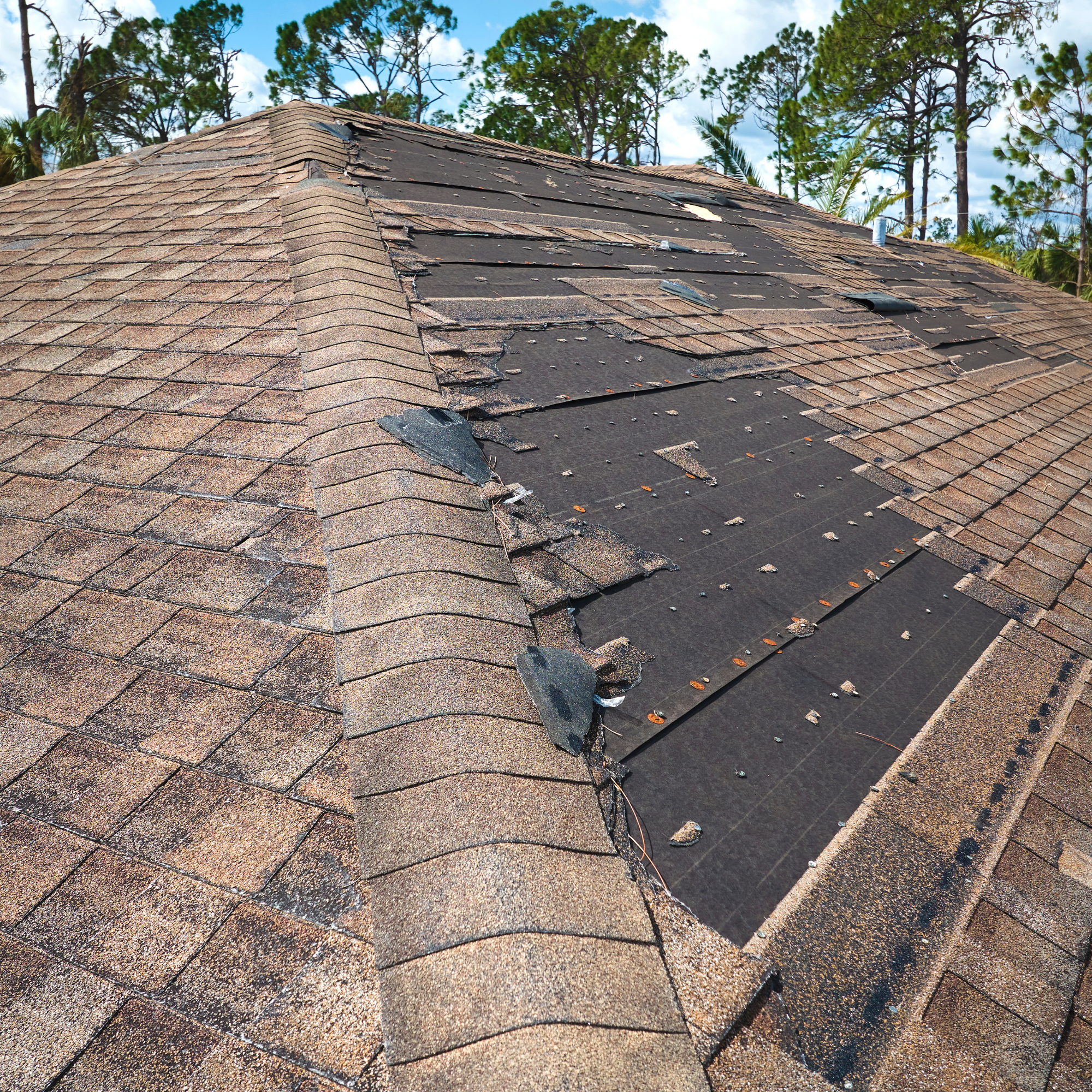
Look for shingles that are cracked, curling, buckling, loose, or completely missing. These issues can expose the roof's underlying layers to moisture.
2. Water Stains on Ceilings and Walls
Brown or yellow stains on interior ceilings and walls may indicate a roof leak. Peeling paint, bubbling drywall, and damp insulation can also point to water intrusion.
3. Granules in Gutters
Asphalt shingles naturally lose some granules over time, but excessive accumulation in gutters or downspouts may indicate deterioration or storm damage.
4. Sagging Roof Areas
A visibly sagging roofline may indicate structural problems, moisture damage, or excessive weight. This is a warning sign that requires prompt professional attention.
5. Damaged Flashing
Flashing protects vulnerable areas around chimneys, skylights, vents, and roof valleys. Cracked, loose, or missing flashing can allow water to penetrate the roof.
6. Unexpected Increases in Energy Bills
Roof damage can affect insulation and ventilation, allowing conditioned air to escape. If heating and cooling costs suddenly increase, the roof may be one area worth investigating.
7. Mold, Mildew, or Musty Odors
Persistent moisture from a roof leak can contribute to mold growth in attics, ceilings, and wall cavities. A musty smell may be an early indication of hidden water damage.
What Should You Do If You Think Your Roof Has Been Damaged?
If you suspect roof damage, taking the right steps quickly can help prevent additional problems and make the repair process easier.
Step 1: Look for Visible Signs of Damage
Start by inspecting your property from the ground. Look for missing shingles, damaged gutters, fallen branches, and debris.
Inside your home, check ceilings, walls, and attic spaces for water stains, damp insulation, or signs of leaks.
Never climb onto a potentially damaged roof to investigate. Walking on damaged roofing materials can cause further problems and create a serious safety hazard.
Step 2: Document the Damage
Take photographs or videos of any visible damage you discover. Include interior water stains, damaged shingles that can be safely photographed from the ground, and any storm-related debris.
Documentation can be useful when discussing repair options with a roofing contractor or filing an insurance claim.
Step 3: Contact a Professional Roof Damage Inspector
The next step is to schedule an inspection with a qualified roof damage inspector.
A professional can safely assess your roof, identify visible and hidden problems, and determine whether repairs are necessary.
An inspection may include checking shingles, flashing, gutters, ventilation, roof penetrations, and other vulnerable areas.
Having an expert evaluate the damage is particularly important after severe storms, as some forms of hail and wind damage may not be obvious from the ground.
Step 4: Prevent Further Damage
If your roof is actively leaking, take reasonable steps to protect your home and belongings. Move furniture and valuables away from affected areas and use containers to catch dripping water.
If water is near electrical fixtures, avoid the affected area and contact a qualified professional.
A roofing contractor may recommend temporary protective measures, such as a professionally installed tarp, while permanent repairs are arranged. Avoid attempting dangerous roof repairs yourself.
Step 5: Arrange Roof Damage Repair
Once the inspection is complete, ask the contractor to explain their findings and provide a written estimate.
Depending on the extent of the damage, recommended work may include replacing shingles, repairing flashing, sealing vulnerable areas, fixing damaged gutters, or addressing underlying structural issues.
Prompt roof damage repair can prevent small problems from developing into expensive issues involving insulation, ceilings, walls, and structural components.
Step 6: Review Your Homeowners Insurance Policy
If the damage resulted from a covered event, such as a windstorm or hailstorm, your homeowners insurance may help cover eligible repair costs.
Contact your insurance provider to understand your coverage, deductible, and claim requirements. Keep photographs, inspection reports, estimates, and receipts for your records.
Remember that insurance coverage depends on your individual policy, the cause of the damage, and applicable exclusions.
Protect Your Roof Before Small Problems Become Major Repairs
Your roof faces numerous potential threats throughout the year, from severe storms and falling branches to natural aging and seasonal decorations. Fortunately, many roofing problems can be addressed before they cause extensive damage.
Homeowners should make regular roof inspections part of their property maintenance routine, pay attention to warning signs, and use safe installation methods when decorating for the holidays.
If you suspect your roof has been damaged, do not wait for a small issue to become a major problem. Contact Troost Roofing for an inspection and a repair quote!